
Stone Jalhari

0.0 (0 Reviews)
499 799 38% OFF
Offer ends in: Loading...
Energized with mantras for better results.
Best Offers for You

Tata NeuCard UPI Offer Upto 1.5% savings with NeuCard UPI txns.
T&C
Tata NeuCard EMI Offer Upto 1.5% savings with NeuCard on EMI/non-EMI txns.
T&C
Navi UPI Cashback Win up to ₹100 cashback on every transaction on Navi UPI.
T&C
Amazon Pay Balance Win upto ₹300 back across 4 transactions.
T&C
CRED UPI Offer Win assured cashback upto ₹50 via CRED UPI.
T&C
No Cost EMI 0% Interest on UPI & Cards Accepted | No Extra Cost.
T&C
Get estimated delivery date
100% Secure
Payment Guarantee
GPay PhonePe UPI Mastercard

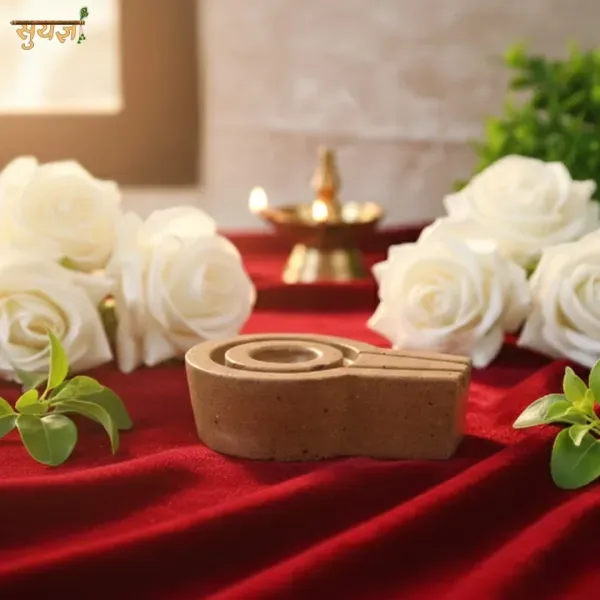
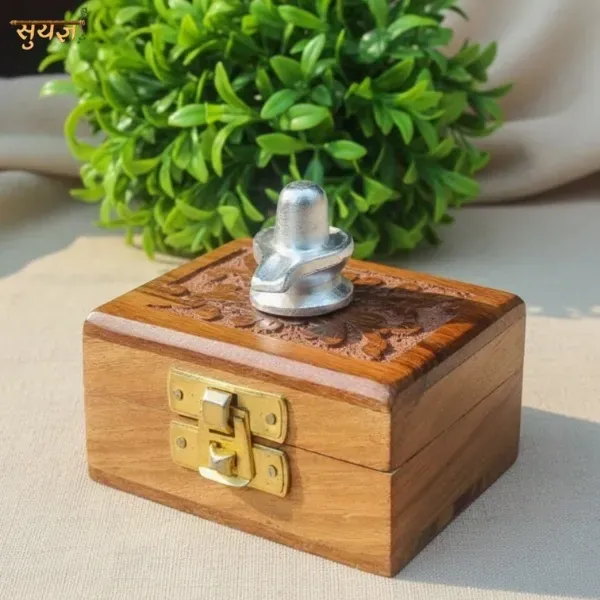
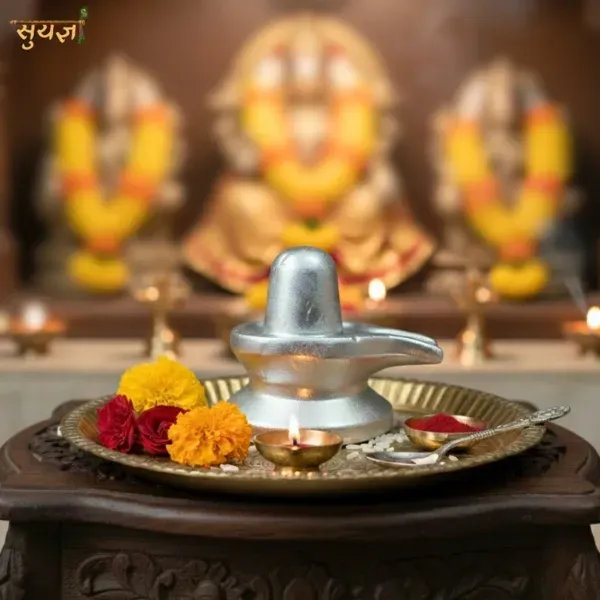
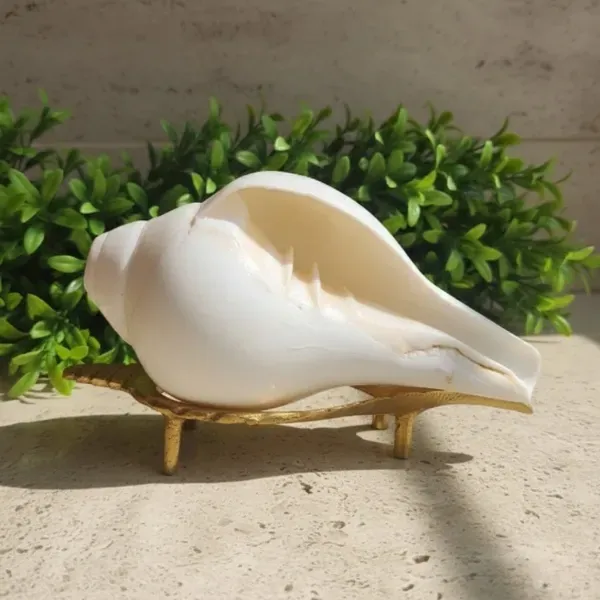
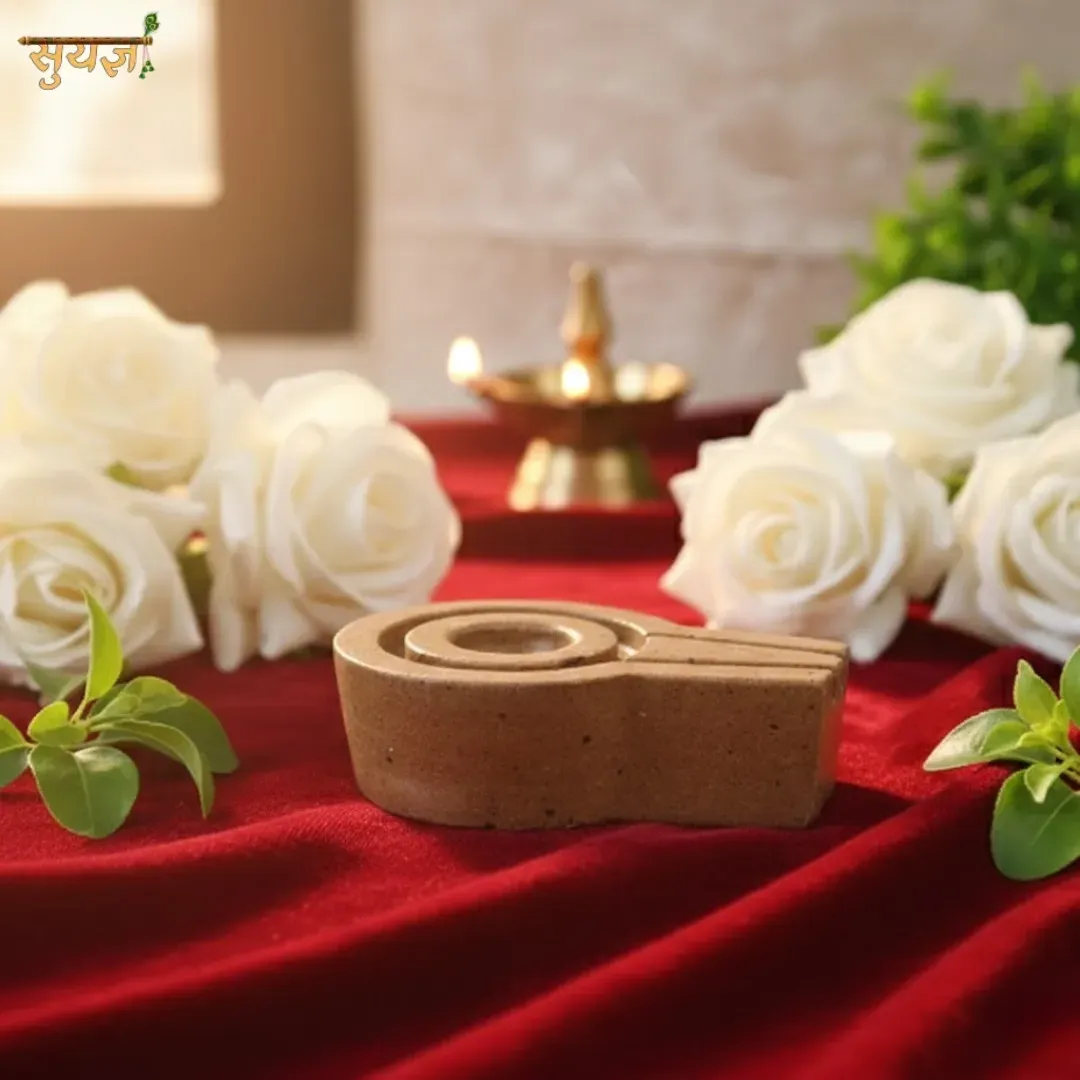
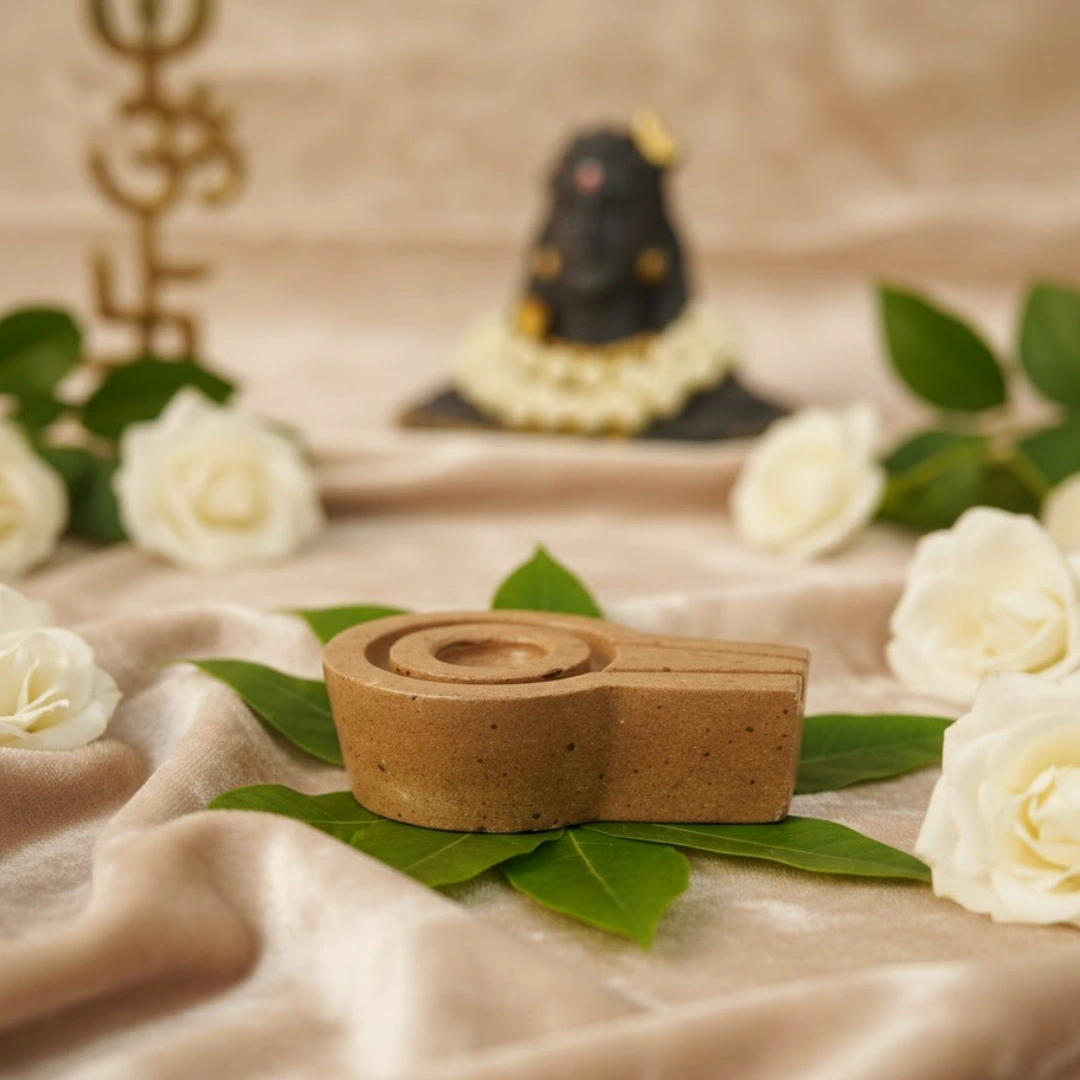
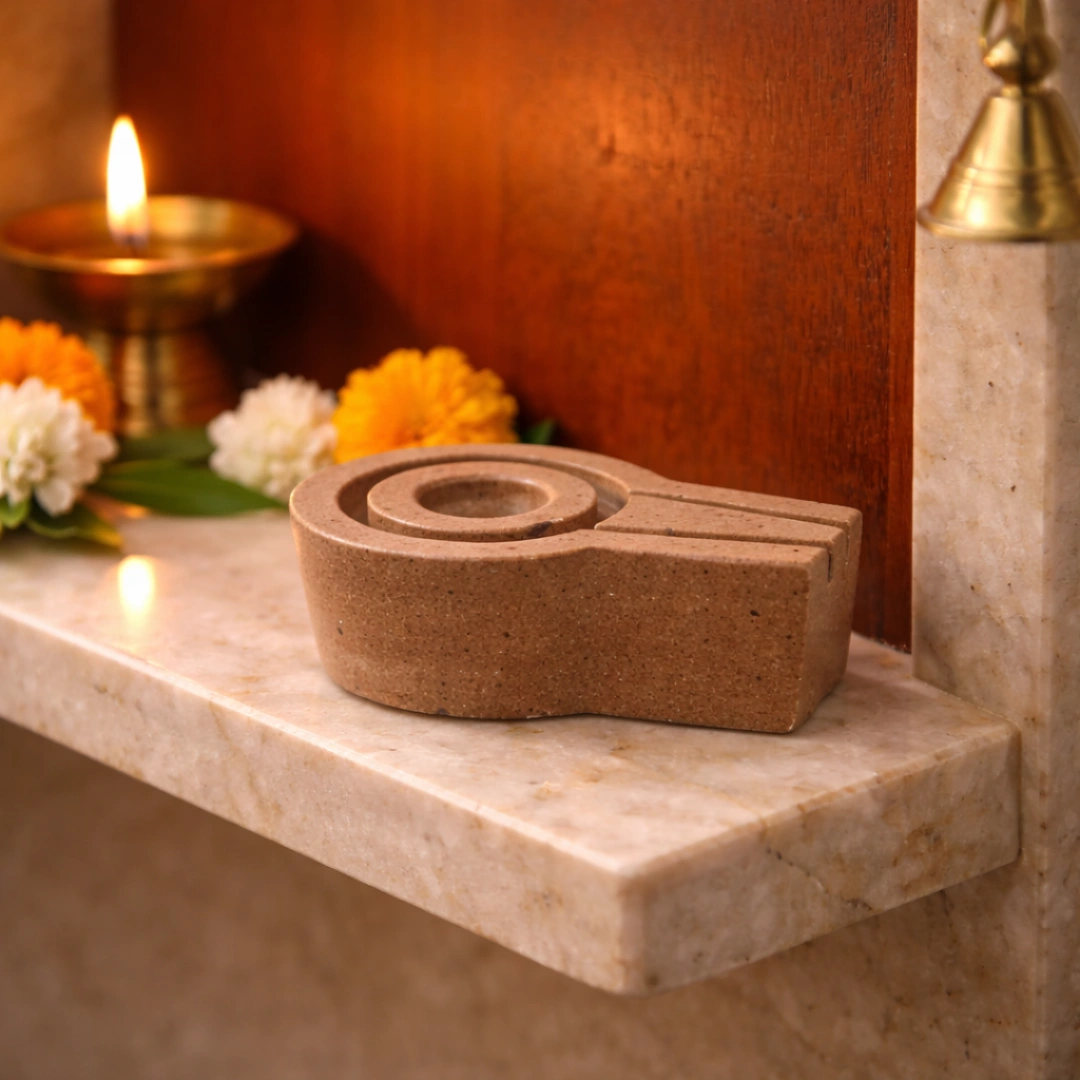
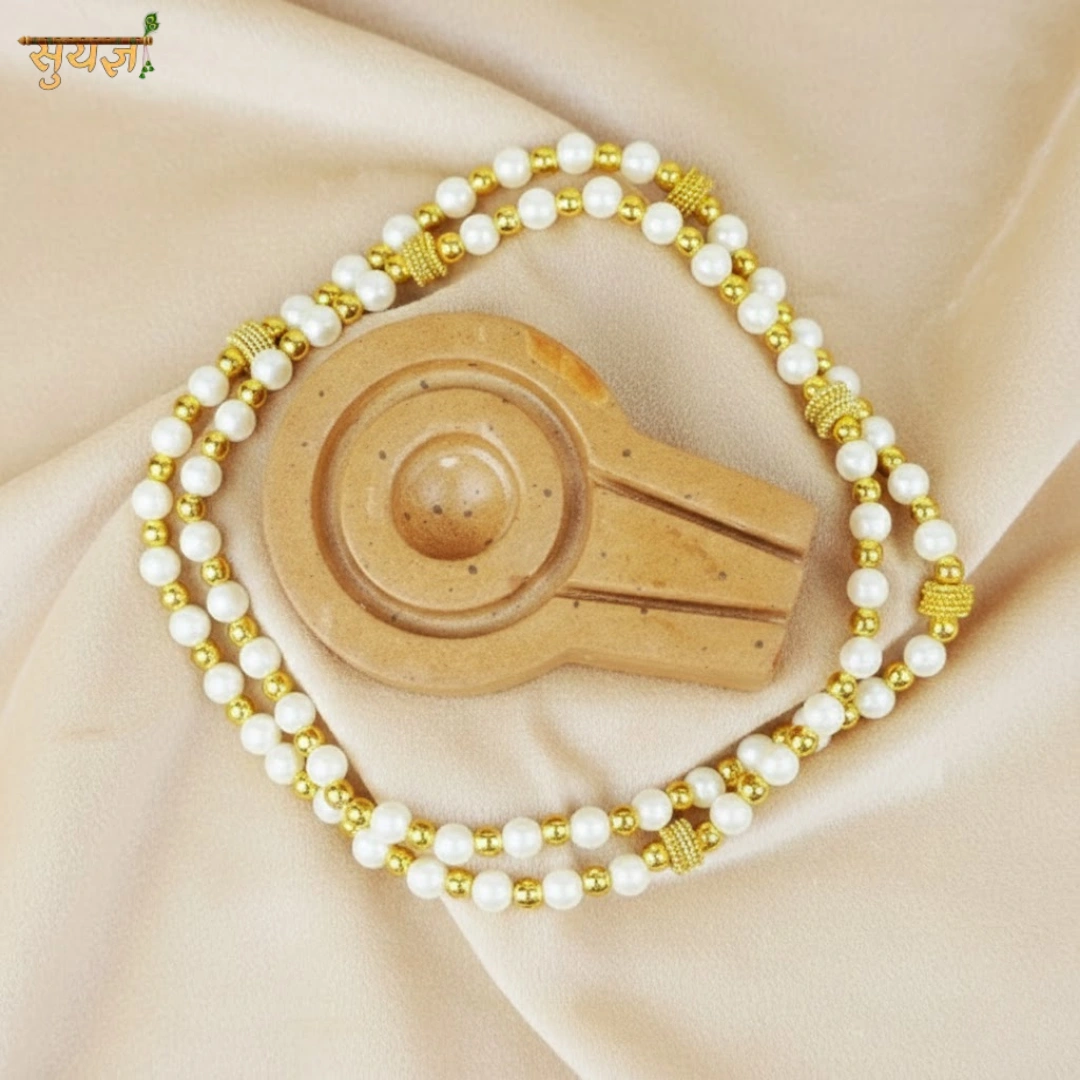
A natural stone Jalhari — the sacred base in which the Shivling rests during daily puja and abhishek. When you pour jal, milk or panchamrit over the Shivling, it flows down and collects in the Jalhari — and then out through the spout. Without a Jalhari, the abhishek has no place to complete itself.

This Jalhari is made from natural stone — earthy, grounded, and in the same material family as the Shivling it holds. Simple design, solid build, made for daily use.

Specs:

  • Material: Natural Stone
  • Color: Natural earthy brown — varies piece to piece
  • Suitable for: All Shivlings — Narmadeshwar, marble, sphatik, black stone
  • Use: Daily jal abhishek, Rudrabhishek, Shravan Maas puja

Natural Stone | Shivling Abhishek Base | Rs.499

1. Completes your Shivling puja — abhishek properly hota hai
2. Natural stone — same material as Shivling, earthy and grounded
3. No tarnish, no polish needed — low maintenance
4. Nirmalya — blessed jal spout se baahir aata hai
5. Symbolically complete — Shivling + Jalhari = Shiva + Shakti

1. Anyone who has a Shivling at home — yeh completes the setup
2. Those who prefer a minimal, earthy, natural-looking mandir
3. Those doing daily jal abhishek or Shravan Maas puja
4. Anyone building a new home mandir from scratch

1. Griha pravesh — Shivling setup ke saath
2. Mahashivratri or Shravan Maas
3. For anyone who already has a Shivling but no Jalhari
4. Wedding — new home ka pehla sacred setup

1. Place Shivling securely in Jalhari
2. Pour jal or panchamrit slowly while chanting Om Namah Shivaya
3. Water flows out through spout — yeh nirmalya hai, tulsi ko pilaao
4. Wipe clean with soft cloth after puja

1. Wipe with soft damp cloth after each use — dry properly
2. No special polish or chemical needed
3. Natural stone may have slight color variation — this is normal
4. Keep dry when not in use

Made In India

All our jewellery is handmade by Indian craftsmen and women - largely from villages. In this way, we are able to play our part in supporting and growing the local Indian economy.

0.0

Based on 0 reviews

5
0
4
0
3
0
2
0
1
0
Click to review

No reviews yet. Be the first to review!

You may also like

Product FAQs

Dono sahi hain — purpose same hai. Stone Jalhari minimal aur earthy look ke liye — natural stone Shivling ke saath especially achhi lagti hai, no tarnish, low maintenance. Brass Jalhari traditional temple look ke liye — warm golden finish, Nag design, sacred patina time ke saath aata hai. Apne mandir ke aesthetic ke hisaab se choose karo.

Haan — bilkul. Stone Jalhari aur Narmadeshwar Shivling dono earth material hain. Visually aur energetically dono ek saath naturally fit hote hain. Narmadeshwar stone ki brown earthiness aur is Jalhari ka natural tone — ek cohesive, grounded setup banate hain.

Woh nirmalya hai — Shivling ko touch karke blessed ho gaya. Tulsi ke paude mein daalo ya apne sar aur haath pe lago. Drain mein seedha mat daalo — ise kisi plant ko pilaao ya garden mein.

Use ke baad soft cloth se wipe karo aur dry rakho. Koi chemical, soap ya polish ki zaroorat nahi. Natural stone ka color aur texture uska permanent state hai — ise change karne ki koshish mat karo. Dry rakhna sabse zaroori hai.

Haan — Narmadeshwar, marble, sphatik, black stone — sabhi standard Shivlings ke saath fit hoti hai. Universal design hai.

Daily puja ke liye sirf jal kaafi hai — gangajal ho toh best. Special occasions pe panchamrit — milk, curd, honey, ghee aur gangajal — ek ek karke daalen, har ek ke saath "Om Namah Shivaya" chantein. Shravan Maas Mondays aur Mahashivratri pe full panchamrit abhishek karna vishesh phal deta hai.

Natural stone crack ho sakta hai agar drop ho. Agar Jalhari toot jaaye — use puja se hataao aur replace karo. Tooti hui puja saamagri se puja karna inauspicious maana jaata hai. Replace karte waqt purani Jalhari ko kisi nadi ya flowing water mein visarjan karein.

Haan — naye ghar mein Shiva ki puja ka setup gifting ka ek bahut meaningful choice hai. Stone Jalhari aur Narmadeshwar Shivling dono milke ek complete, ready-to-use puja setup bante hain. Jo log abhi puja shuru karna chahte hain unke liye yeh ek practical aur thoughtful gift hai.

When people set up a Shivling at home, they think about the Shivling. Which kind, which size, which direction. And rightfully so — the Shivling is the center of the entire setup.

But what holds the Shivling in place? What catches the sacred water when you do abhishek? What makes the puja physically complete?

The Jalhari.

And this one is made of stone.

What a Jalhari Actually Does — And Why It Cannot Be Skipped

"Jal" means water. Jalhari is the vessel that receives the sacred water.

In Shiva puja, abhishek — the ritual bathing of the Shivling — is the most powerful form of worship described in the Shiv Purana. Water, milk, honey, curd, ghee, gangajal — each offering carries a specific prayer, a specific blessing. And as each flows over the Shivling, it needs somewhere to go.

Without a Jalhari, the abhishek cannot be done properly. The sacred liquid has no contained place to flow. The puja is incomplete — not by intention, but by missing this one essential piece.

When the jal flows from the Shivling into the Jalhari and out through its spout — that flowing water is called "nirmalya." It has touched the Shivling. It carries Shiva's energy. In temples, devotees receive this water on their head and hands. In your home mandir — the same principle applies. The water that collects in your Jalhari after abhishek is not wastewater. It is blessed water. Offer it to your tulsi plant, or take it on your head before you start your day.

The Jalhari is also called "Yoni" in traditional texts — representing Goddess Parvati. Shivling in the Jalhari — Shiva resting in Shakti — is the symbol of their divine union. A Shivling without a Jalhari is symbolically incomplete, like Shiva without Parvati.

Why Stone — Not Just Brass

Brass Jalhari is the traditional choice and works beautifully. But stone has its own quality that is worth understanding.

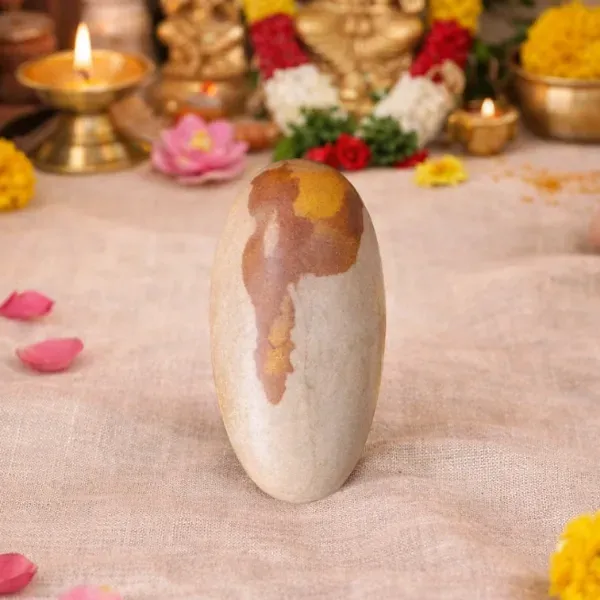
Stone is the same material world as the Shivling itself. Narmadeshwar Shivling is stone. Sphatik Shivling is stone. Black stone Shivling is stone. When the base holding the Shivling is also stone — there is a natural continuity. Same earth energy, same material grounding, same elemental quality throughout the setup.

Stone does not conduct heat the way metal does. During abhishek — especially in summer — a stone Jalhari stays cooler to the touch. The sacred water stays cooler in stone than in metal.

Stone also does not tarnish. Brass, over time, can darken and requires occasional cleaning to maintain its look. Stone — you wipe it clean, it stays as it is. No polish, no special treatment. The natural earthy color of the stone is its permanent state.

For those who prefer a more minimal, earthy, natural-looking puja setup — stone Jalhari gives that aesthetic immediately. It looks like it belongs on a stone mandir shelf, next to a Narmadeshwar Shivling. Because it does.

Stone Jalhari vs Brass Jalhari — Which Should You Choose?

Both are correct. Both complete the puja. Here is the honest difference:

Stone Jalhari — Earthy look, minimal, cooler touch, no tarnish, lower maintenance. Visually matches well with Narmadeshwar or any natural stone Shivling. Simpler, quieter energy.

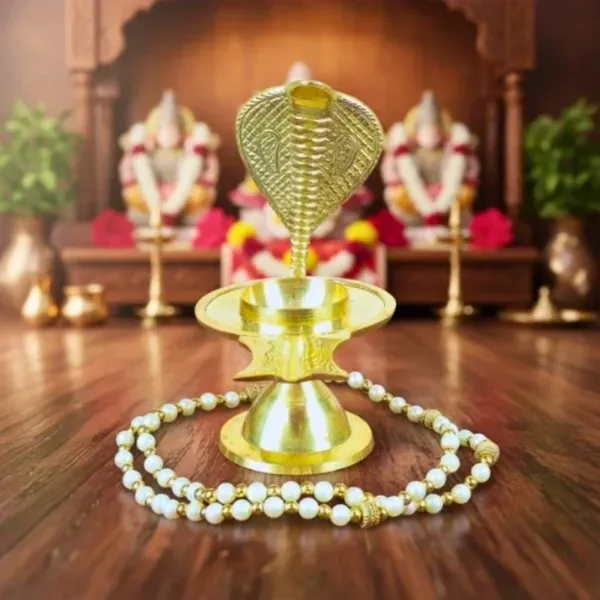
Brass Jalhari — Warm golden look, traditional temple aesthetic, develops a sacred patina over time. Visually richer. Nag design on brass Jalhari adds protective symbolism.

If your mandir is minimal and earthy — Stone Jalhari. If your mandir is traditional with brass diyas and idols — Brass Jalhari.

Both are available at Suyagya — choose based on your setup, not based on which is "better." Neither is superior — they serve the same sacred purpose differently.

Daily Abhishek — Simple Steps

For those just starting daily Shivling puja:

Step 1: Place the Shivling securely in the Stone Jalhari. It should sit stable, not wobbling.

Step 2: Light a small diya. Place a fresh bilwa patra on the Shivling.

Step 3: Pour water slowly and continuously from a small lota over the top of the Shivling, chanting "Om Namah Shivaya." The water flows down, collects in the Jalhari, and flows out through the spout.

Step 4: The water that has flowed out — nirmalya — is blessed. Offer it to your tulsi plant or take it on your head.

Step 5: Offer vibhuti and a flower. Complete with aarti.

Ten minutes. Done daily — it changes the energy of the space.

On Mondays and during Shravan Maas — do a full panchamrit abhishek. Milk, curd, honey, ghee and gangajal in sequence, each with a mantra. The Stone Jalhari holds all of it.

Complete your Shiva puja setup with the Narmadeshwar Shivling at Suyagya — natural river stone, with natural tilak, Swayambhu. Pair it with this Stone Jalhari for a complete, grounded Shiva corner at home.

Also explore the Brass Jalhari at Suyagya — with Nag design, for a more traditional temple aesthetic.

— Team Suyagya "Suyagya hai, toh asli hi hoga."

Your Cart (0)
Free Shipping
Free Shipping all over India.
24/7 Support
Available 24 x 7
100% Secure payments
COD/UPI/CARDS
India
MADE IN INDIA
Proudly Made in India
Astro Pandit Astro AI