 Best Offers for You



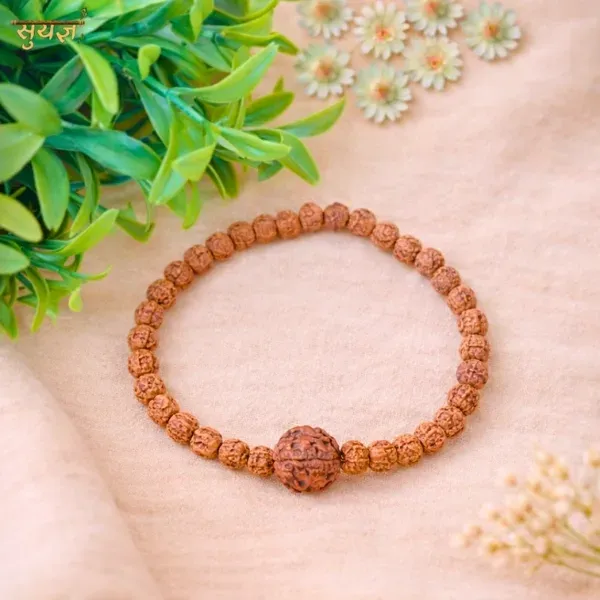
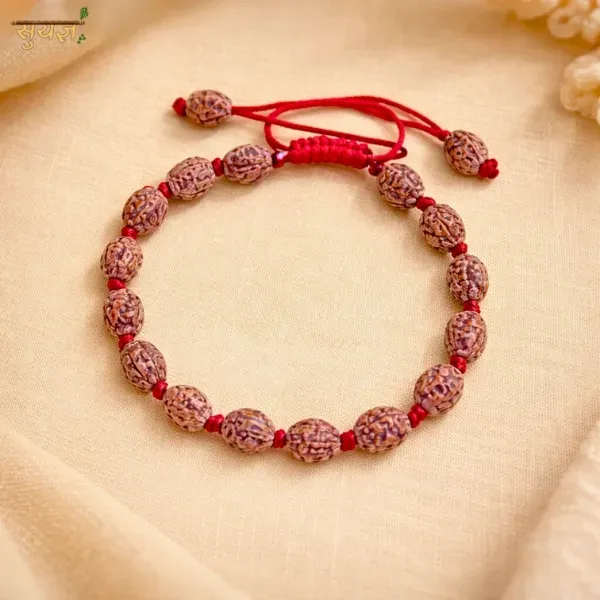
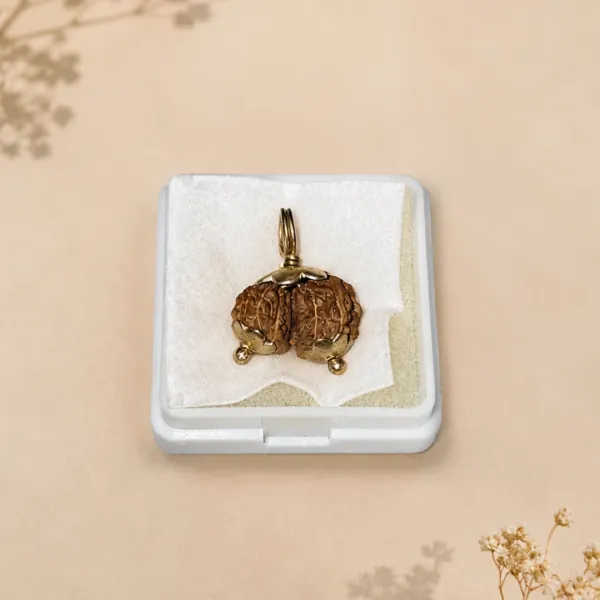
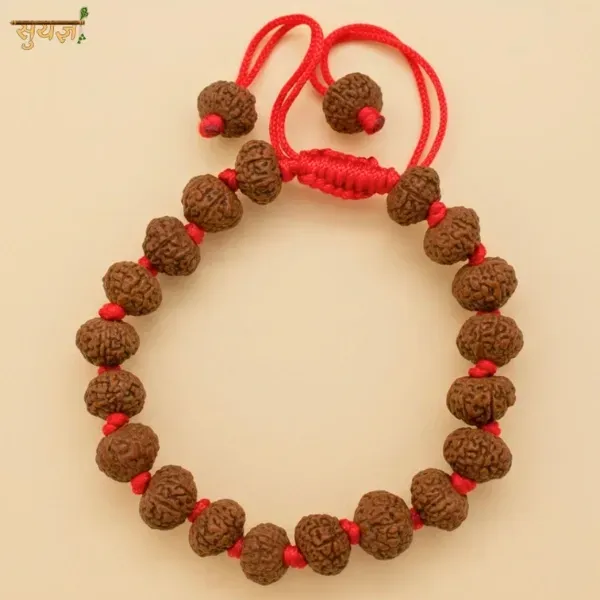
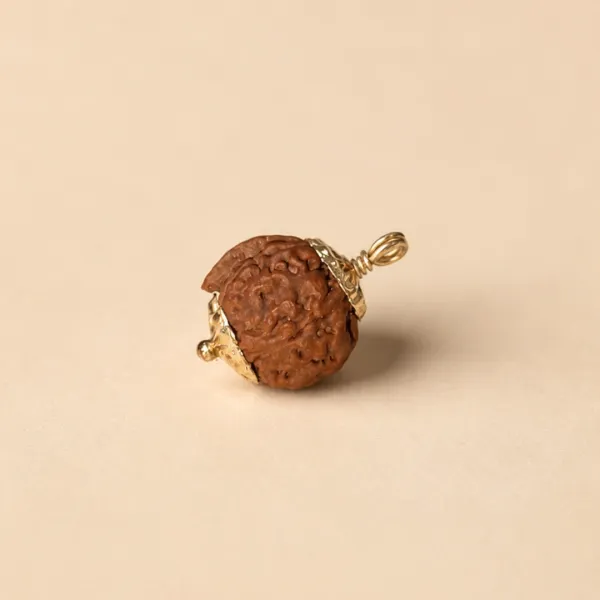
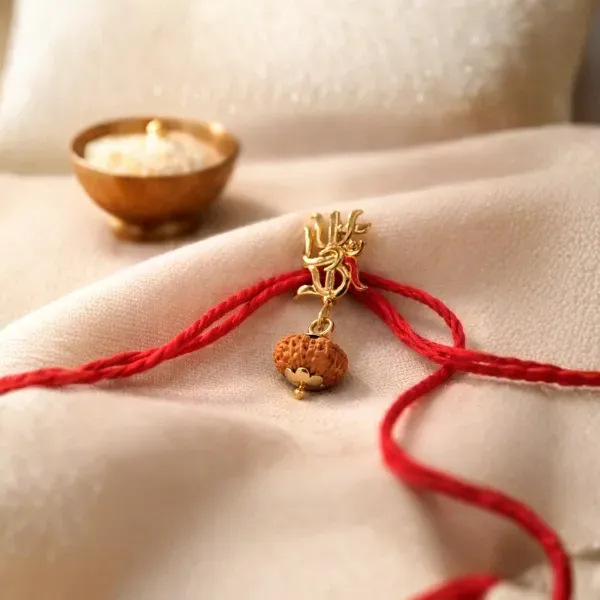
।। पंचवक्त्रः स्वयं रुद्र: कालाग्निनार्मतः प्रभुः सर्वमुक्ति प्रदश्चैव सर्व काम फल प्रदः ।। — Shiv Purana, Chapter 25, Shloka 69
"The five-faced Rudraksha is Rudra himself. It is Kalagni. It bestows all kinds of salvation and fulfills all desires."
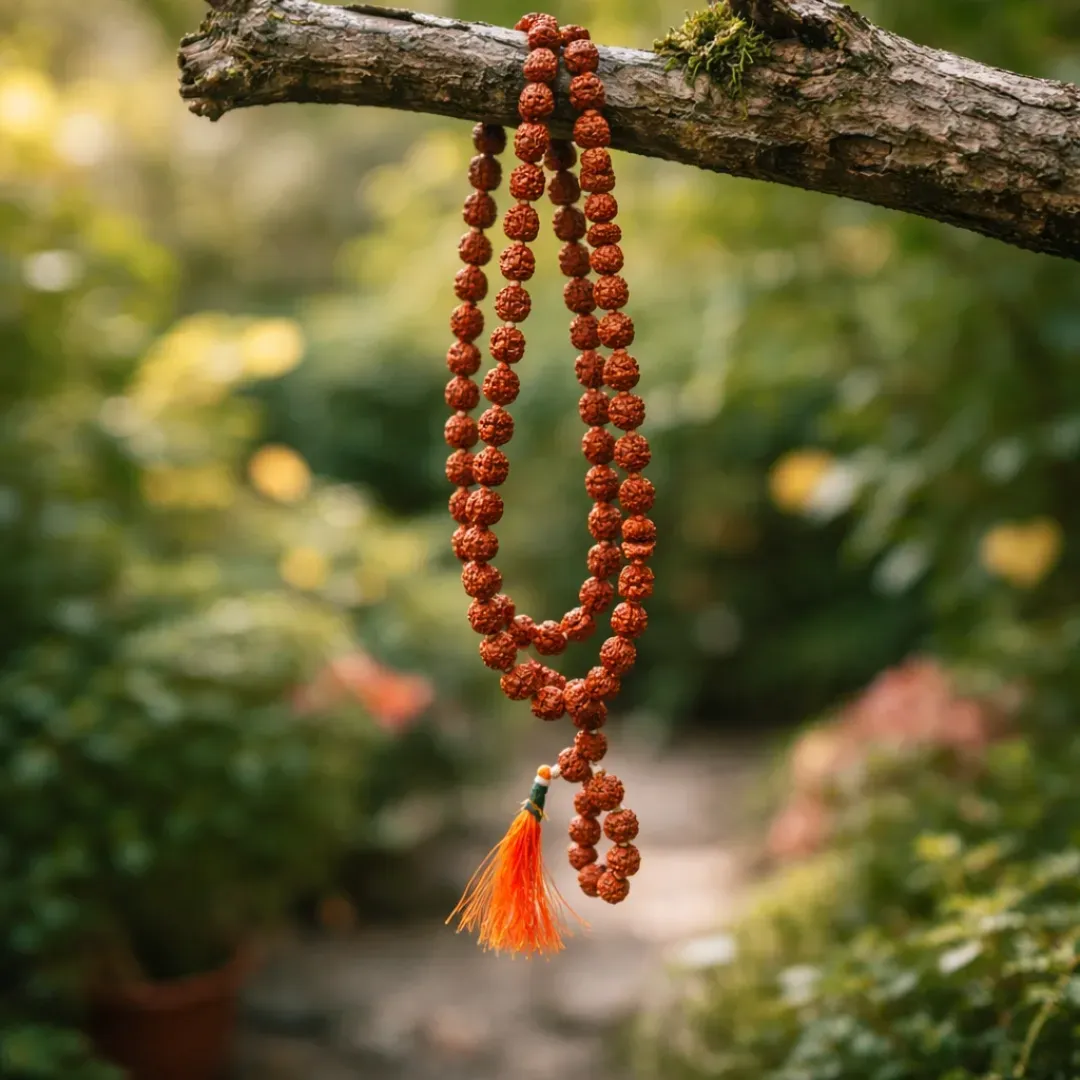
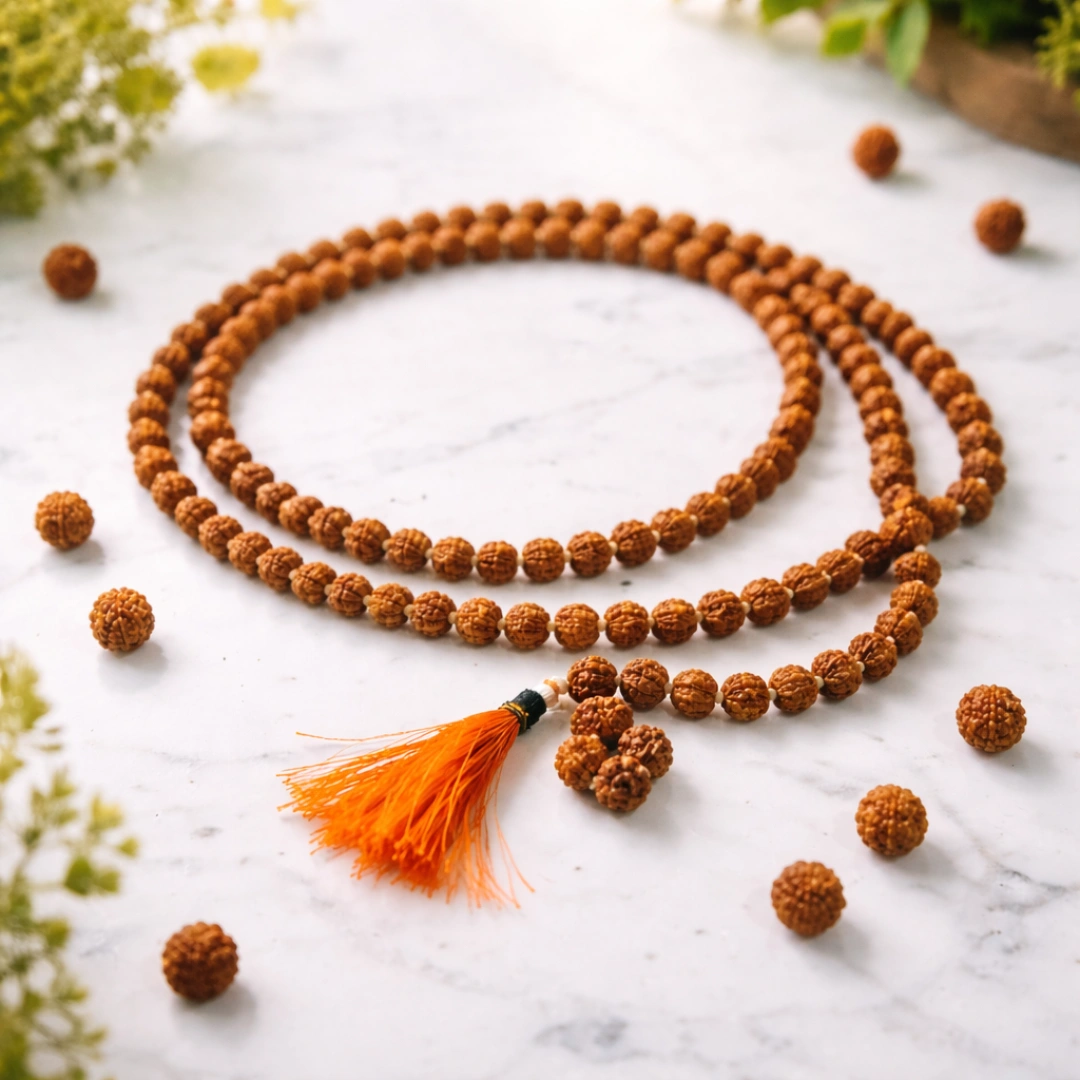
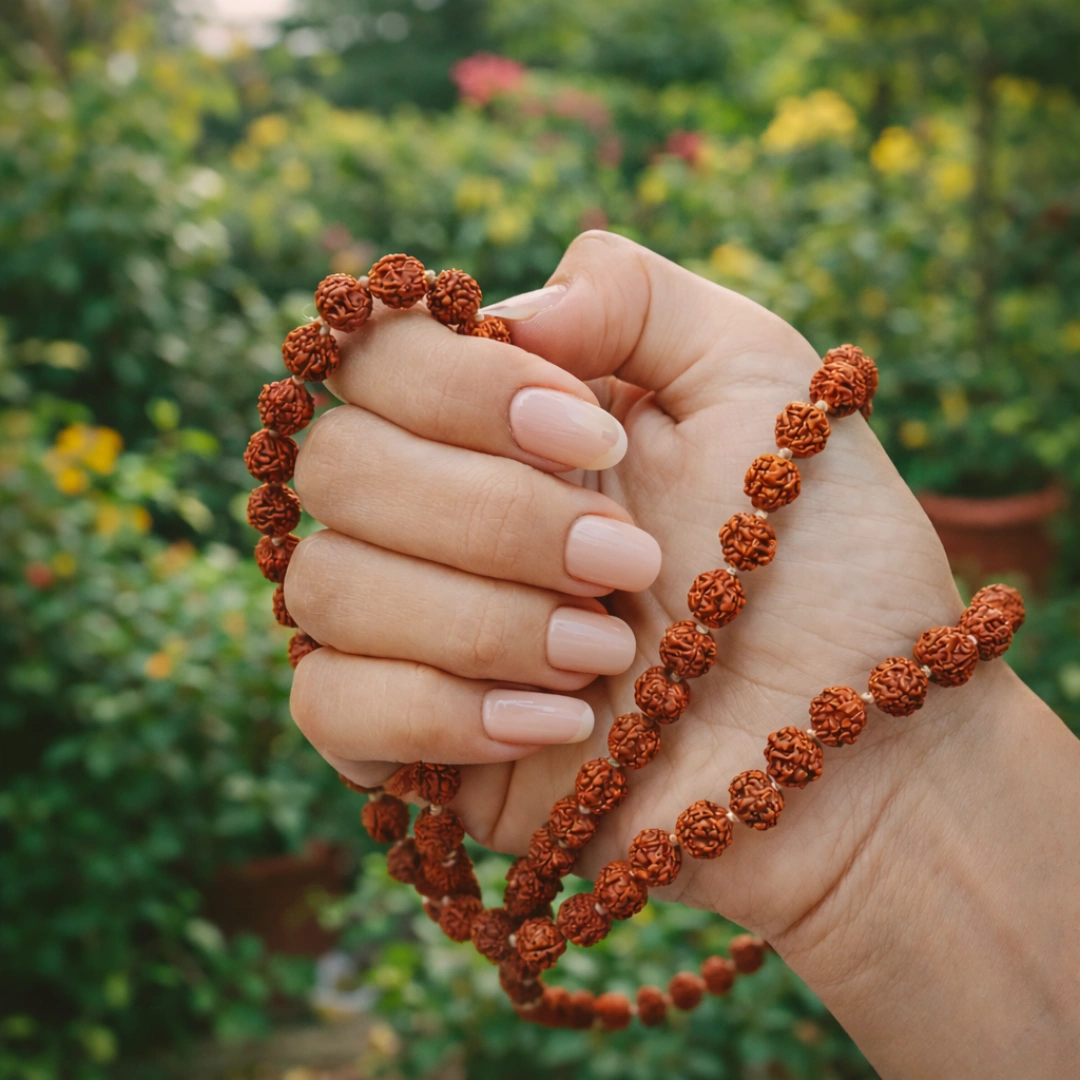
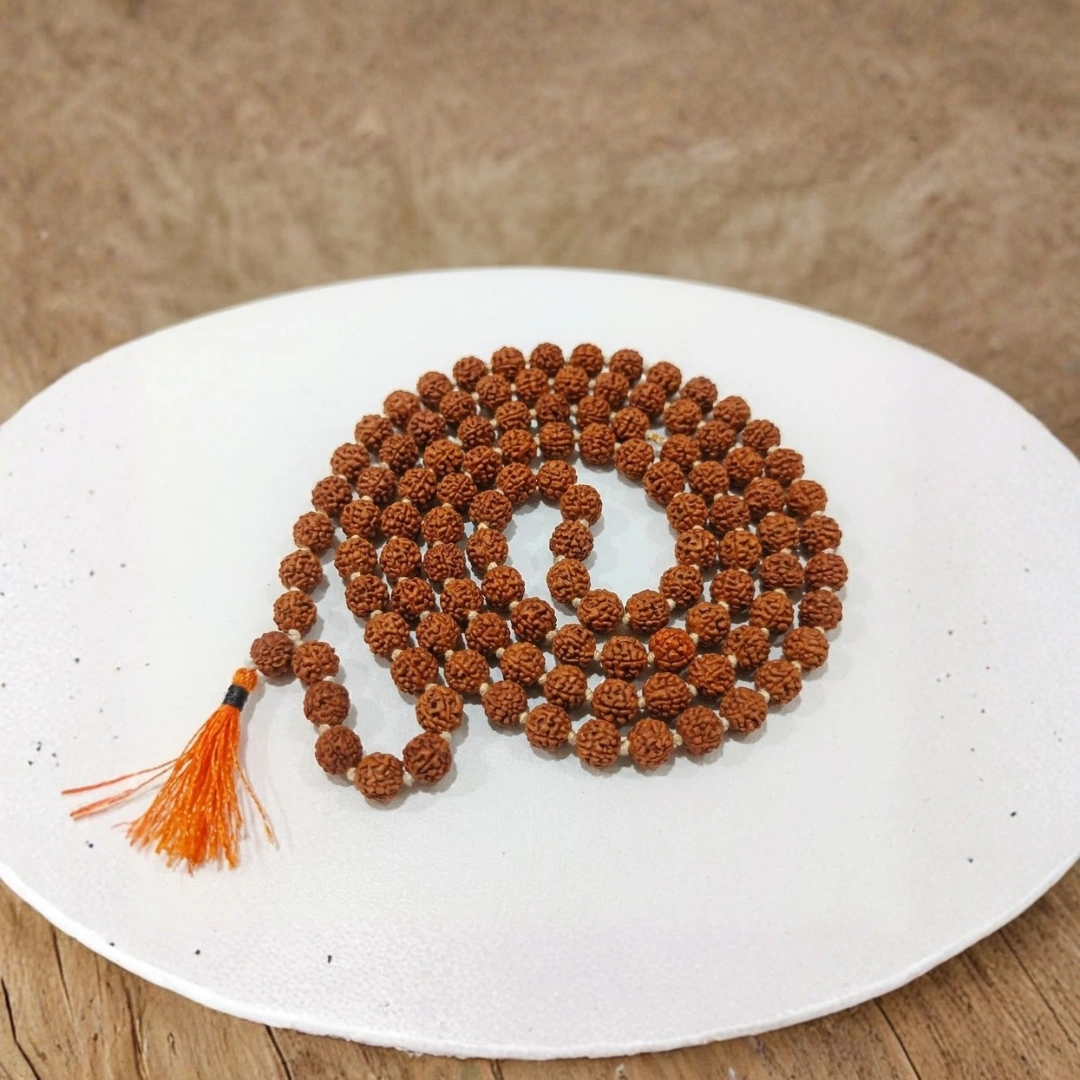
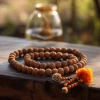
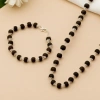
Walk into any ashram in Rishikesh, Haridwar or Varanasi. Watch the sadhus, the monks, the quiet devotees sitting with their eyes half closed. Almost all of them have the same thing in their hands — a Rudraksha mala. Brown. Simple. 108 beads.
Not because they cannot afford something fancier. Because this is what works.
Why 108 Beads — The Real Answer
Most people never think to ask this. They accept 108 because that is how it has always been. But there is actually a reason.
In Vedic mathematics, 108 is a Harshad number — perfectly divisible by the sum of its digits (1+0+8 = 9, and 108 ÷ 9 = 12). Ancient mathematicians considered such numbers especially significant.
In astronomy, the diameter of the Sun is approximately 108 times the diameter of the Earth. The ancient Vedic scholars built 108 into their spiritual systems deliberately — connecting the act of prayer to the structure of the cosmos itself.
In the human body, there are said to be 108 marma points — energy junctions that govern life force. Each bead of the mala corresponds to one of these points. And the +1 — the Guru bead? That is where you stop. You never cross it. You turn the mala and start again. It represents the teacher, the divine boundary.
Every time you hold this mala, you are holding a system built across thousands of years.
Why 5 Mukhi — And Why Everyone From Beginners to Sadhus Chooses This One
There are 14 types of Rudraksha. And yet across centuries, the one worn most consistently — by saints, sadhus, scholars, and ordinary people — is the 5 Mukhi.
Not because the others are less powerful. Because the 5 Mukhi is the most universal.
It represents Lord Kalagni Rudra — the fierce, fire aspect of Shiva that burns away karma. The five faces correspond to the five elements: earth, water, fire, air and ether. In Vedic astrology, it is governed by Jupiter — the planet of wisdom, knowledge and clarity.
What makes it truly special: no restrictions. No clash with any rashi, any planet, any nakshatra. Men, women, children, elders — anyone can wear it, any day, any time.
This is why it is the starting point for almost every spiritual seeker in India.
7mm vs Larger Beads — Why This Size Works Best for Daily Jap
Most malas in the market range from 4mm to 10mm. Here is the honest difference:
| Bead Size | Best For | Feel |
|---|---|---|
| 4–6mm | Wearing as necklace | Very light, less grip per bead |
| 7mm (this mala) | Daily jap — beginners & regular practice | Light, easy to move, comfortable for long sessions |
| 9–10mm | Slower meditative jap | Heavier, stronger tactile feel per bead |
7mm is the sweet spot for daily jap — light enough to go through 108 repetitions without hand fatigue, substantial enough to feel each bead clearly. Most experienced practitioners recommend this size for anyone building a consistent practice.
Nepal Origin + Lab Certificate — Why This Matters
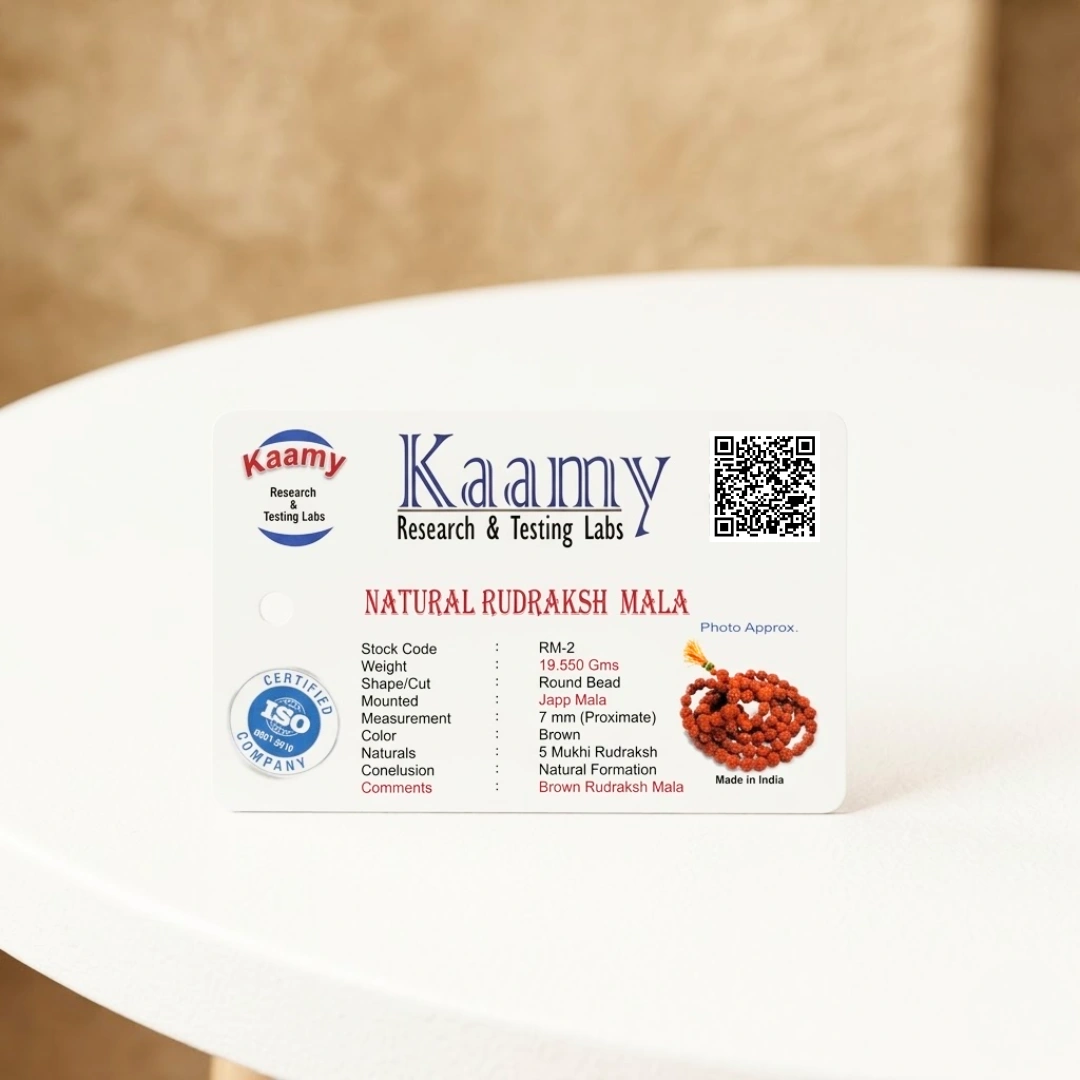
This mala comes with a certificate from Kaamy Research & Testing Labs — ISO certified, with QR code for verification. The certificate clearly states: 5 Mukhi Rudraksh, Natural Formation.
Nepal origin matters for Rudraksha. Himalayan region Rudraksha beads have deeper Mukhi lines, more textured surface, and are traditionally considered more potent for both spiritual and astrological use compared to Indonesian beads.
Most malas at this price point use Indonesian beads — smaller, smoother, cheaper. This mala uses Nepali beads with a lab certificate. That is a genuine difference, and it is worth knowing before you buy.
Your First Jap Session — For Complete Beginners
You do not need a special room, an auspicious date, or a pandit. Just ten minutes and a quiet spot.
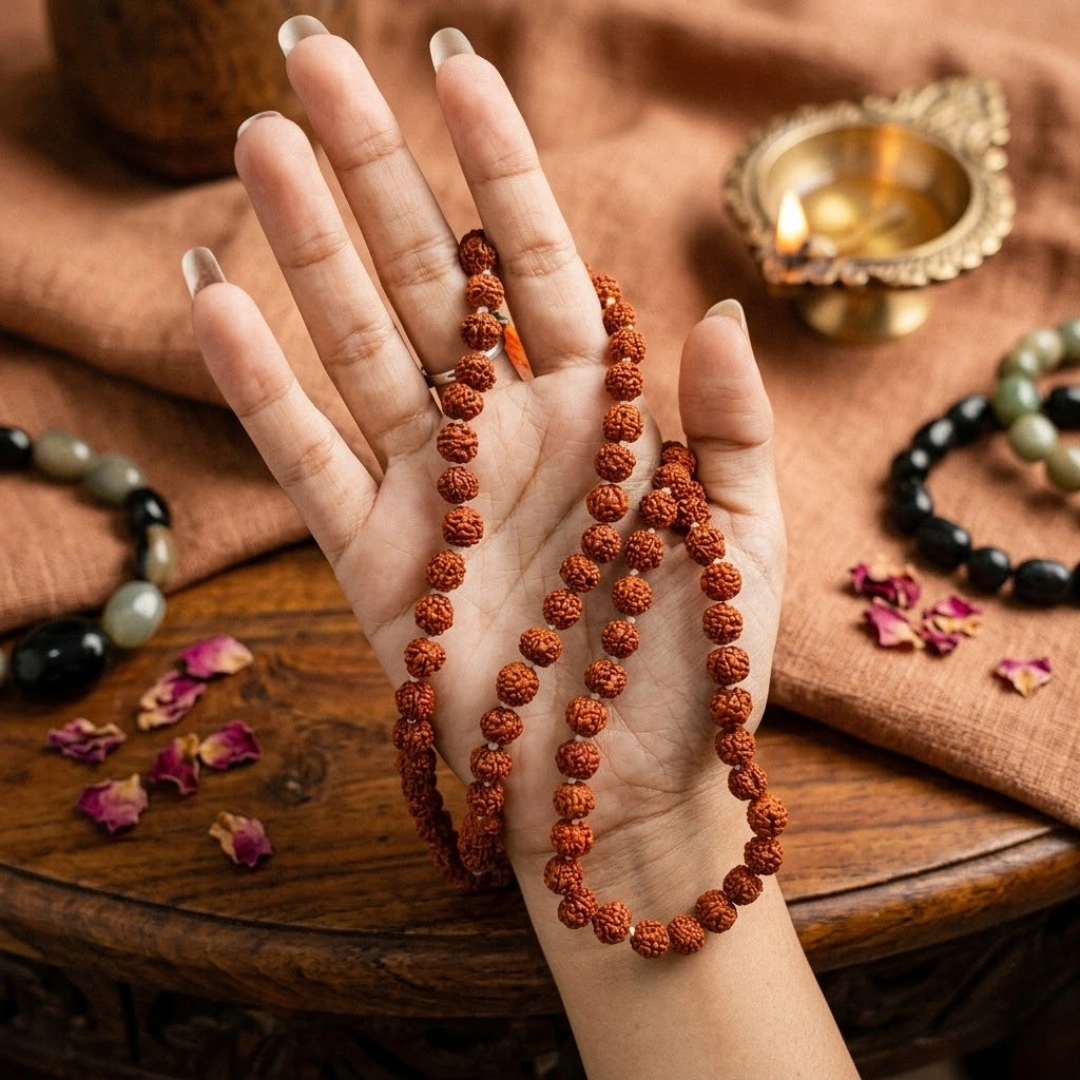
Hold the mala in your right hand, between your thumb and middle finger. Never the index finger — tradition says the index finger represents ego, and you do not bring ego into this practice.
Start at the bead just next to the Guru bead. Chant your mantra — "Om Namah Shivaya" is the most universal, "Om Hreem Namah" is the beej mantra specific to 5 Mukhi. One bead, one repetition. Move forward with your thumb after each one.
When you reach the Guru bead — stop. Do not cross it. Turn the mala and come back. One round is 108 repetitions.
Best time is early morning after a bath. But any time you can be consistent beats the perfect time that never comes. Even five minutes every night matters more than an hour once a week.
If you want guidance on which Rudraksha suits your kundali, use Suyagya's Astro AI — enter your birth details and get a personalised recommendation based on your chart.
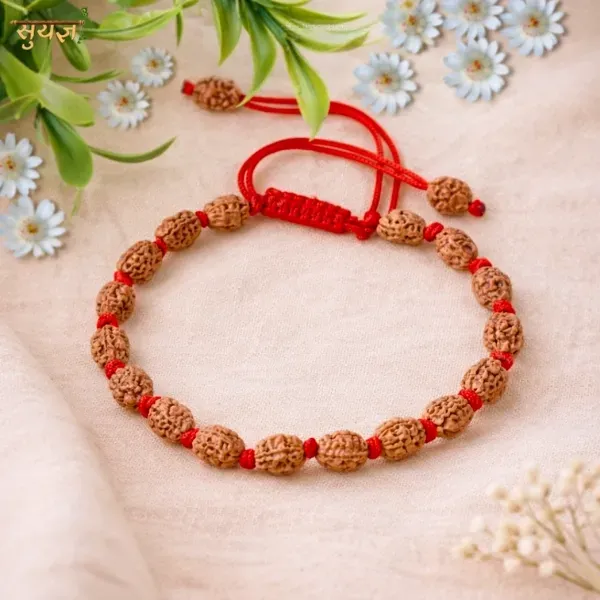
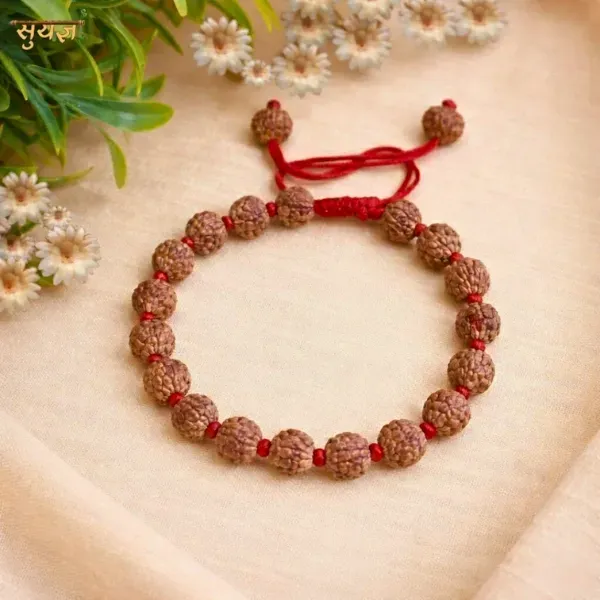
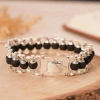
Explore the complete Rudraksha Mala Collection at Suyagya, or browse Rudraksha Bracelets for daily wear alongside your jap practice.