 Best Offers for You



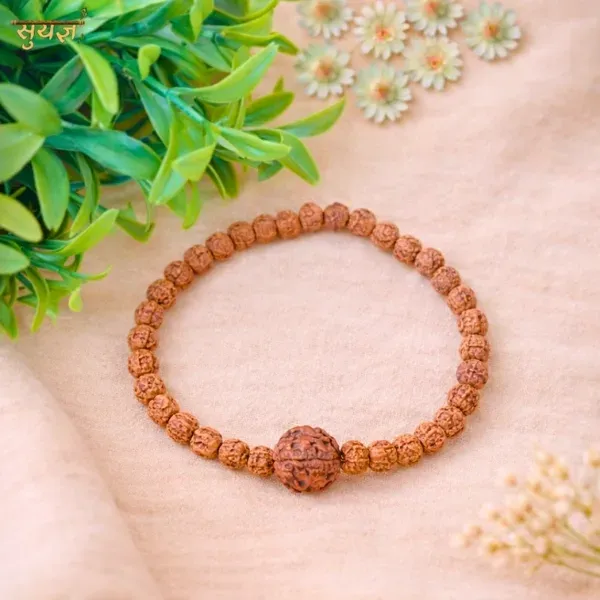
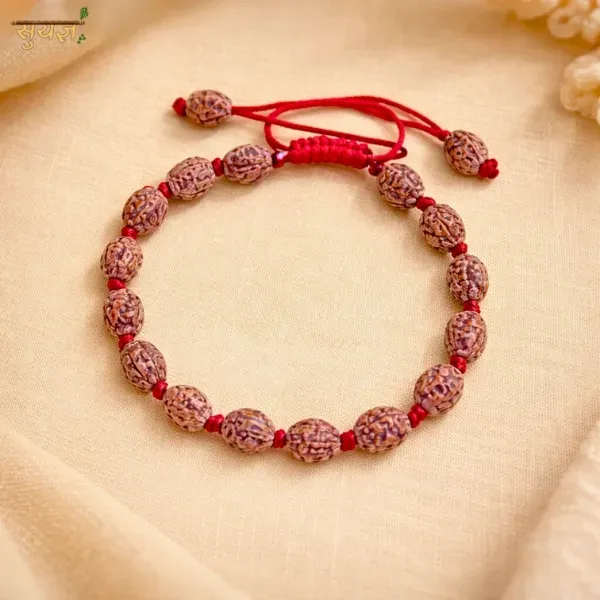
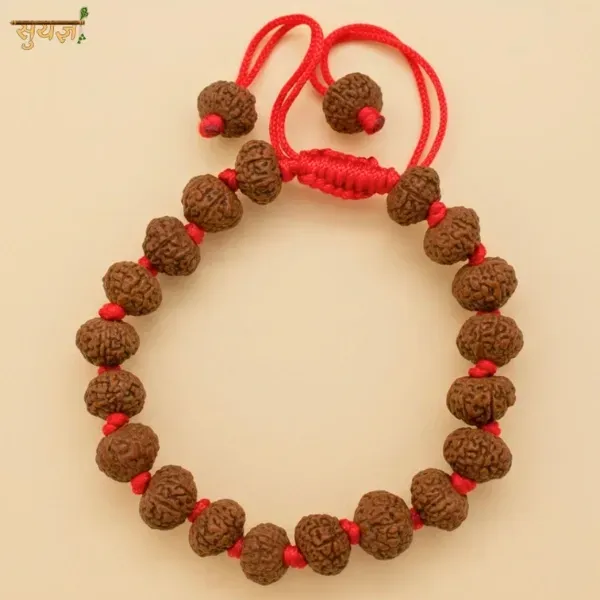
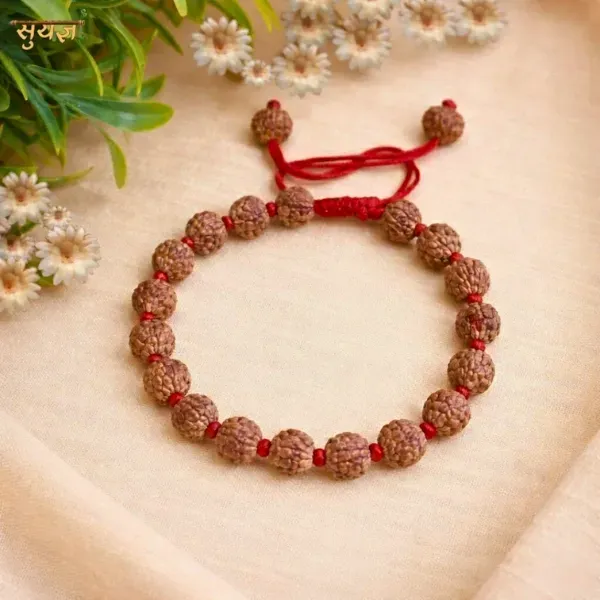
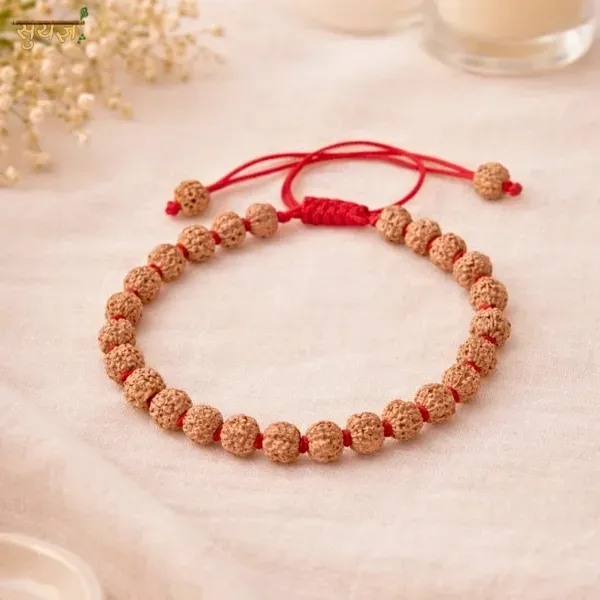
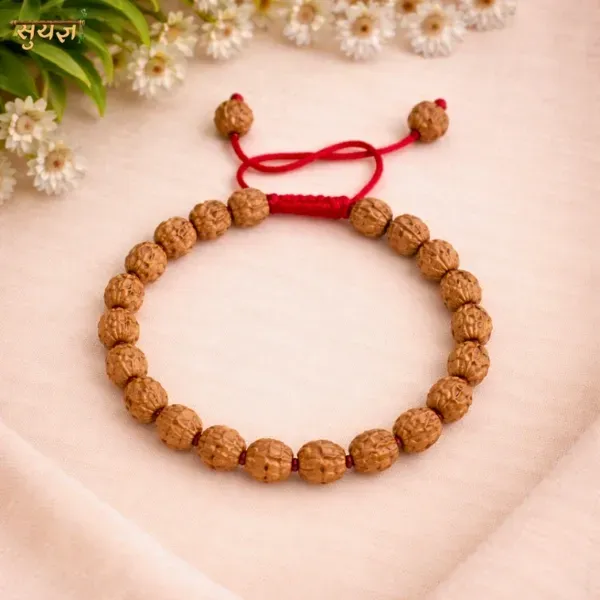
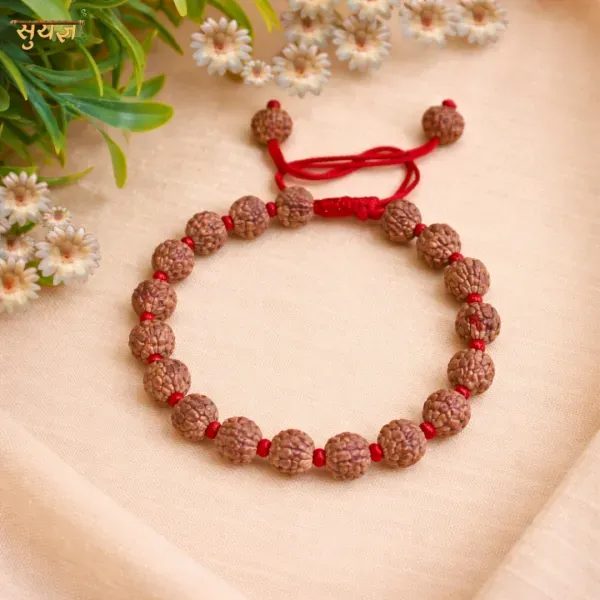




There is green jewellery. And then there is malachite.
Every other green stone is a single color — lighter or darker, more or less vibrant, but fundamentally uniform. You know what you are getting.
Malachite is not that. It is never that.
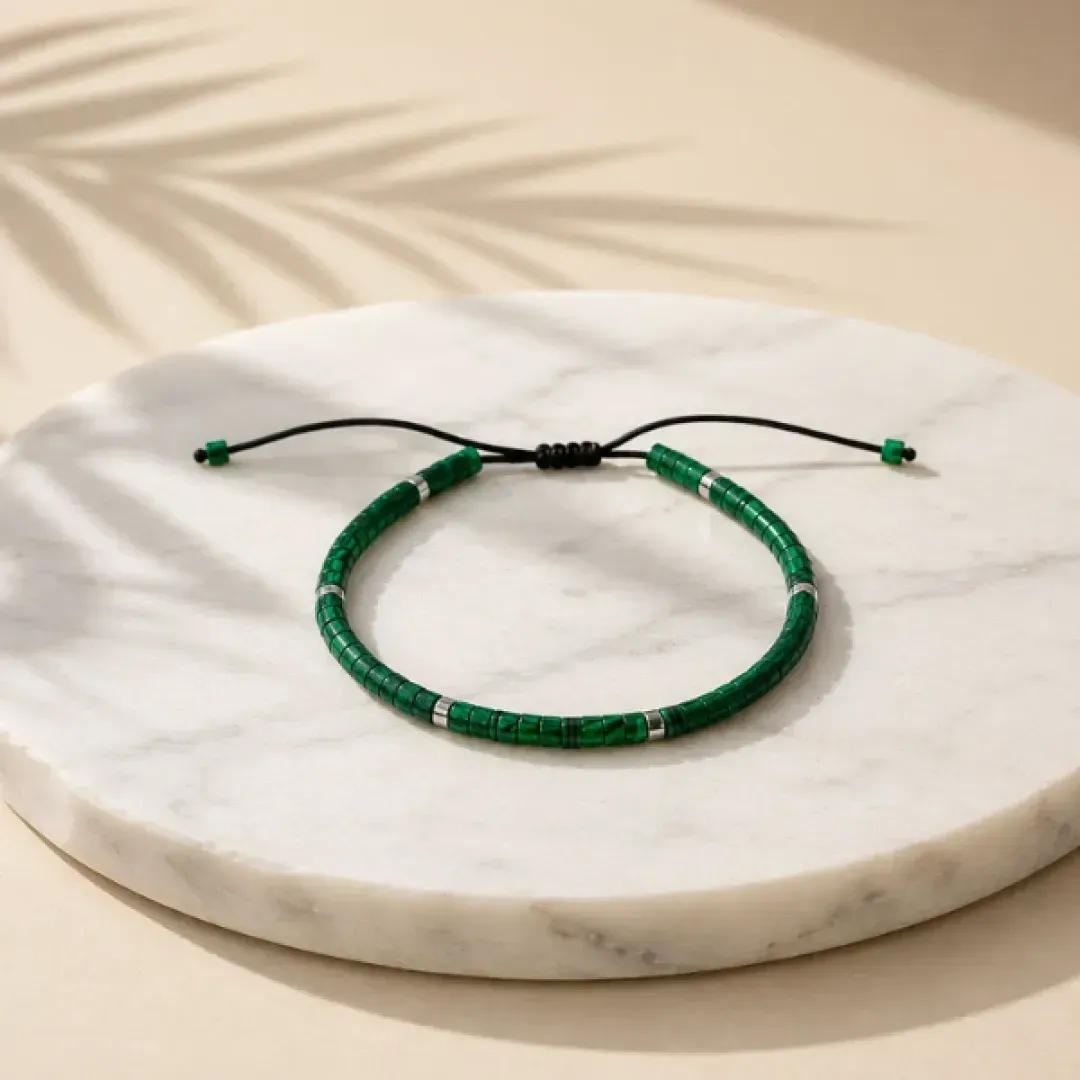
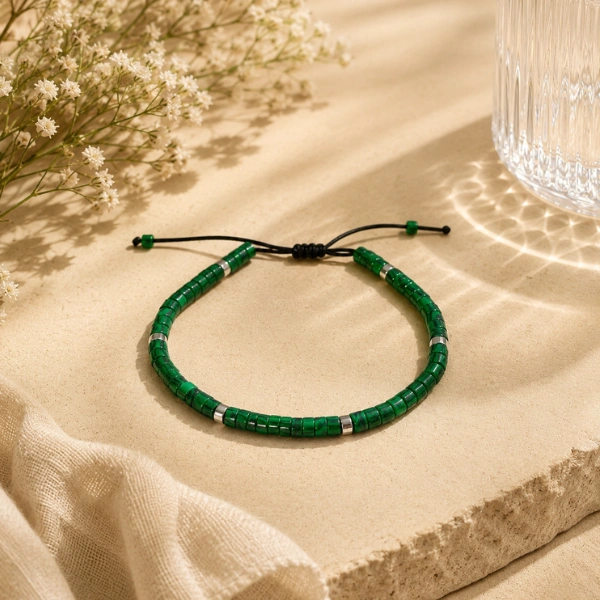
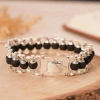
Look at any disc in this bracelet. You will see a pattern that looks like it was drawn by hand — swirling concentric bands of deep forest green and bright emerald, interrupted by black lines that curve and shift across the surface. No two discs look identical. No two bracelets look identical. Because malachite does not form in a uniform way. It forms in layers — mineral layers that build on each other over millions of years inside copper ore deposits — and the pattern those layers create is different every single time.
This is not a stylised print. This is geology, visible on your wrist.
What Malachite Is — And Why It Looks the Way It Does
Malachite is a copper carbonate hydroxide mineral — it forms in the oxidation zones of copper ore deposits, created when copper-bearing solutions react with carbonate minerals over millions of years. The distinctive banded green pattern — the visual signature that makes malachite one of the most recognisable stones in the world — is formed by the way the mineral crystallises in rhythmic layers.
Each layer represents a different stage of formation. The color variations — darker green, lighter green, the occasional near-black band — reflect subtle changes in the chemical environment at each stage. The result is what you see: concentric, swirling, curved patterns that read almost like wood grain or a topographic map, except more vivid and more alive.
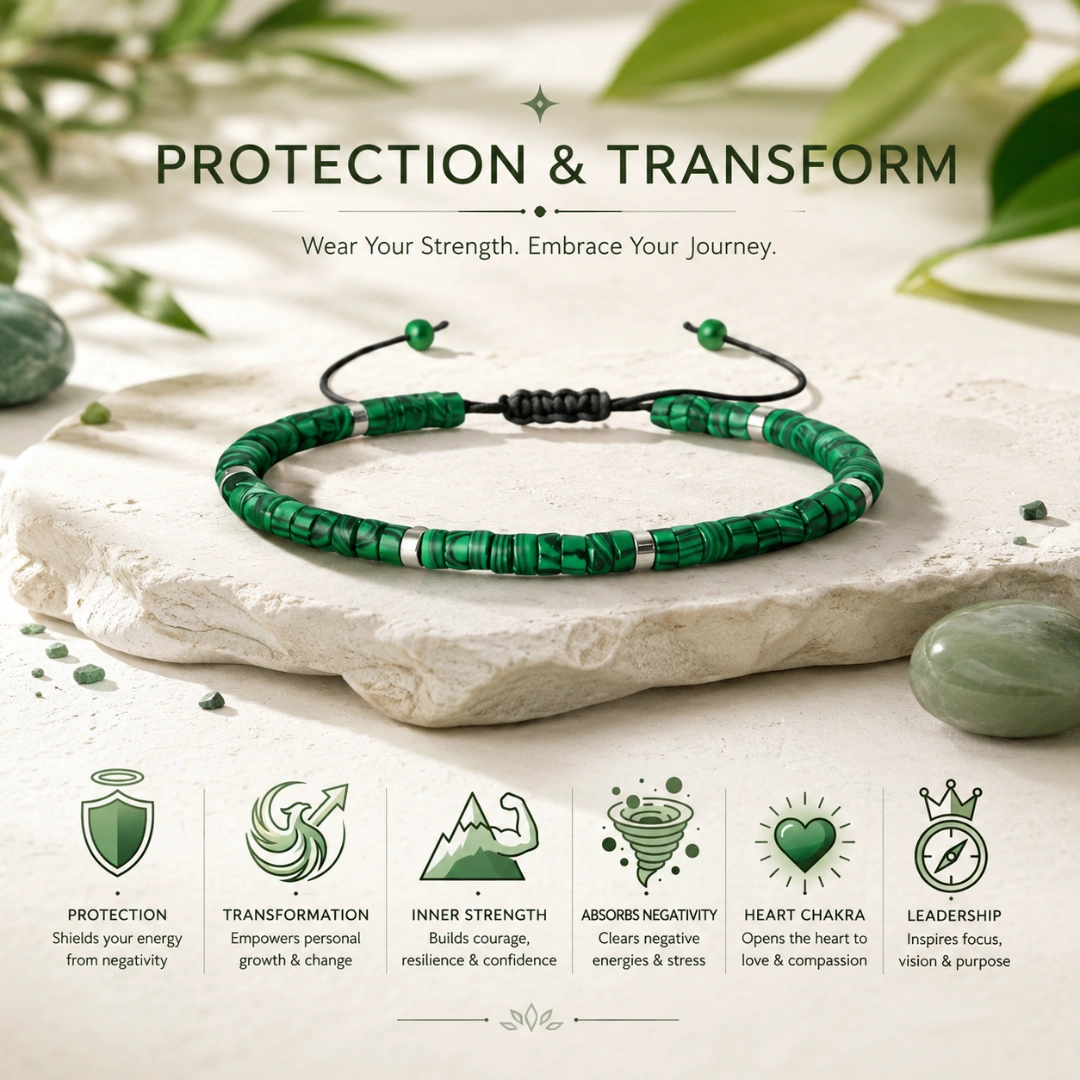
The copper content gives malachite its green. Different concentrations, slightly different shades. The same copper that creates malachite's color is also why the stone has been associated with transformation and change — copper is a conductor, a carrier, the metal that moves energy from one place to another. In crystal tradition, malachite carries that same quality: it moves energy. It does not let things stagnate.
The major deposits are in the Democratic Republic of Congo, Russia, Australia and parts of the United States. The most prized pieces — with the clearest, most defined banding — come from the Congo. This is the stone that ancient Egyptians ground into pigment for their eye makeup, that Russian aristocracy used to panel entire rooms, and that miners working copper mines across history found in abundance. It has never been a hidden or obscure stone. It has always been seen — because it is impossible to overlook.
The Stone of Transformation — What That Actually Means
Malachite is called the Stone of Transformation across crystal traditions. Not because it is dramatic or sudden — but because it is relentless.
It does not let things stay as they are. It surfaces what needs to surface. It moves what has been stuck. It pushes against the comfortable patterns that are holding you back — the habits, the beliefs, the emotional loops that keep repeating — and it does not do this gently.
Malachite is not a soft stone. It does not comfort. It changes.
This is why it is not recommended for people in acute emotional crisis — the energy is too active, too moving. It is recommended for people who are ready to move. Who know something needs to change and have the stability to sit with that change as it happens. Who want to grow but need something to make the growing feel possible.
In Vedic tradition, malachite is associated with Mercury (Budh) and Venus (Shukra). Mercury for intelligence, communication and the processing of information — the ability to see clearly what is actually happening. Venus for emotional harmony, beauty and the quality of relationships. The combination addresses both the mental and emotional dimensions of transformation — you see clearly what needs to change, and you have the heart to make peace with the changing.
Heart Chakra — The Centre of Transformation
Malachite is primarily a Heart Chakra stone — Anahata. But not in the soft, gentle way that Rose Quartz works with the heart.
Malachite works with the heart the way a good surgeon does — with precision and without sentimentality. It opens what has closed. It clears what has accumulated. It removes the emotional debris — the unexpressed grief, the suppressed anger, the calcified resentment — that most people carry in the chest without realising how much weight it is.
The result is not necessarily comfortable in the short term. But the result over time is a heart that moves more freely, loves more honestly, and is less defended against the things it actually wants.
This is the transformation malachite is known for. Not a sudden shift. A clearing.
The Design — Black Cord, Silver Accents, Deep Green
The design of this bracelet in the collection is the most striking — intentionally.
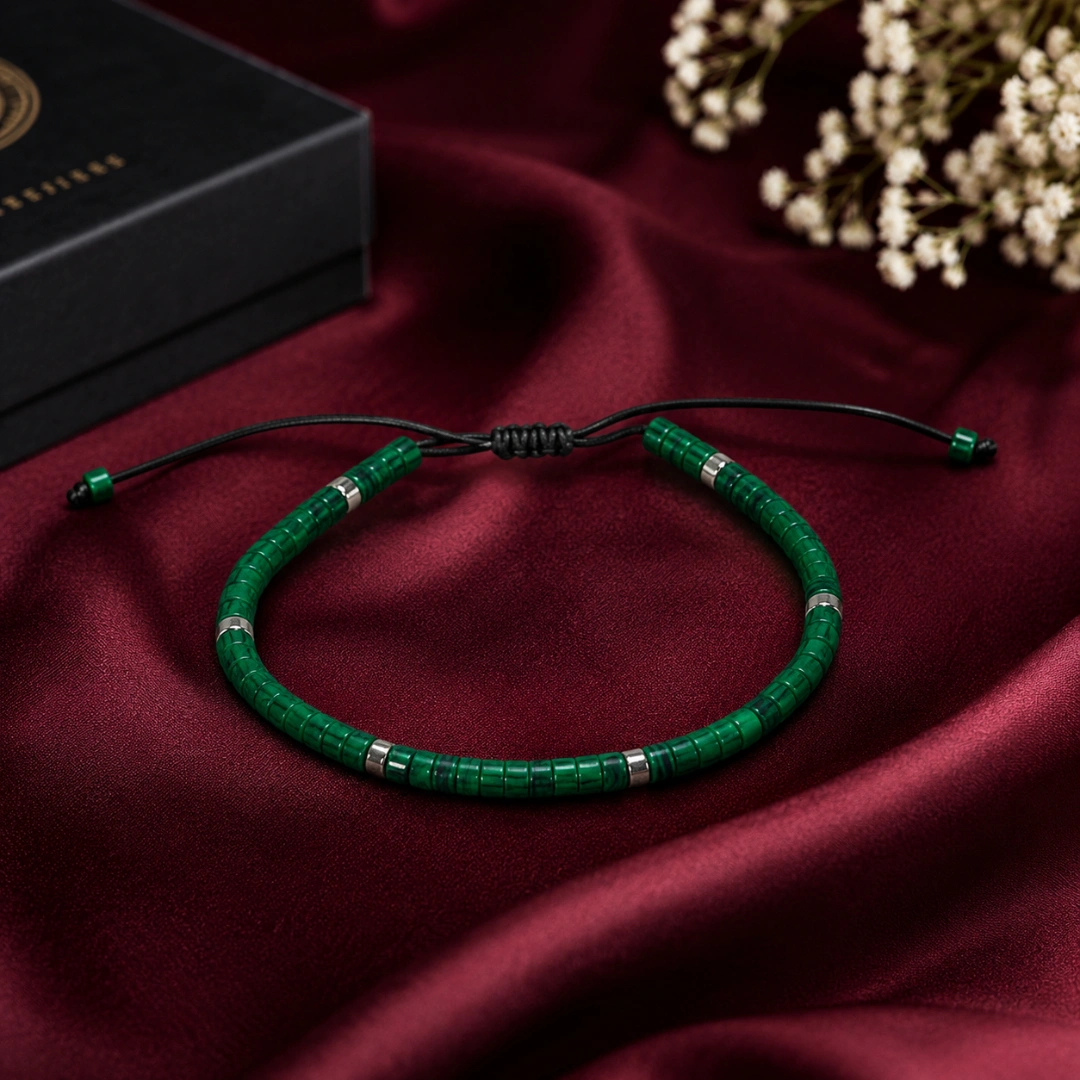
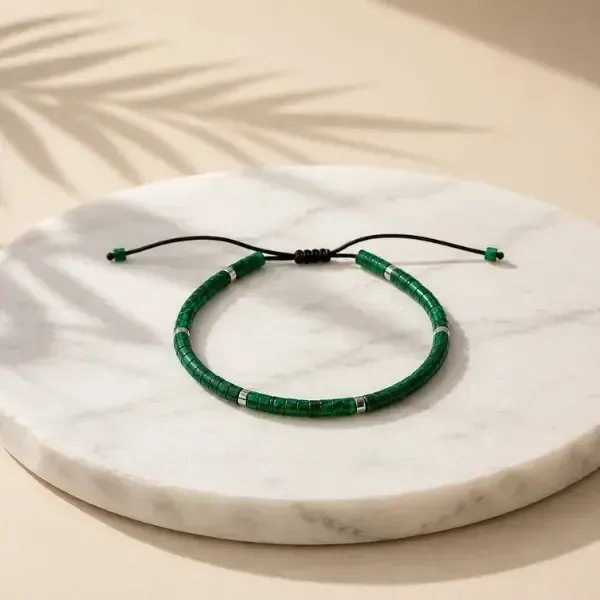
The black macrame cord against deep green malachite creates the sharpest contrast in the series. While the turquoise bracelets use brown cord for warmth, malachite's depth needed something darker to match it. Black cord lets the green lead completely.
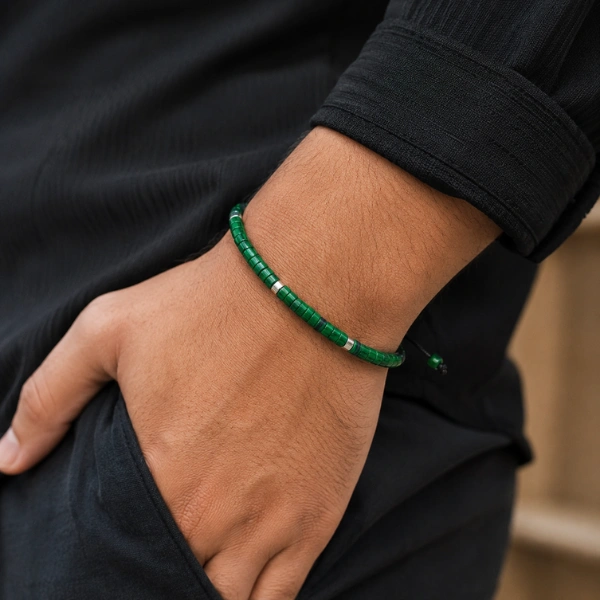
The silver accent beads at measured intervals do the same thing they do in the turquoise versions — break the visual rhythm, create intentional contrast, make the bracelet look designed rather than simply strung. Against the green-and-black of the stone, silver reads as clean and sharp. The three-color combination — deep green malachite, silver accents, black cord — has a graphic quality that photographs exceptionally well and catches attention in any setting.
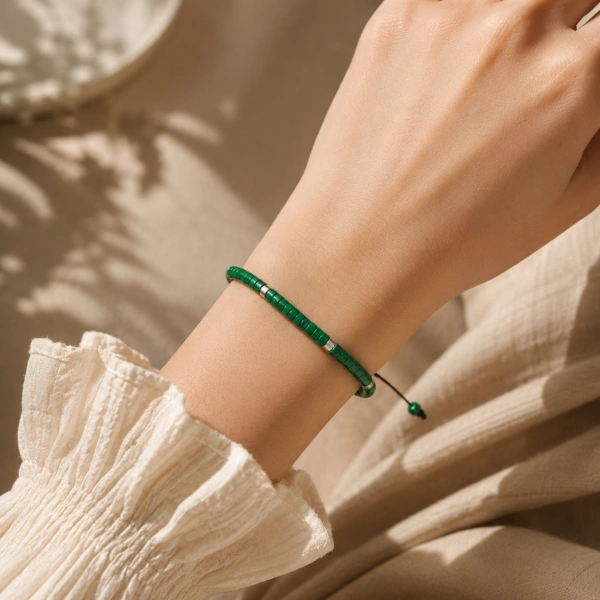
This bracelet works equally well in formal, casual and festive contexts. The green is bold enough to be a statement and dark enough to not be costume. Men wear it as naturally as women — the combination of stone and cord reads as jewellery with confidence, not jewellery with sweetness.
A Note on Fake Malachite — How to Tell
The malachite market has a significant fake problem. Synthetic malachite — made from resin with printed patterns — is widely available and often passed off as natural. Here is how to tell the difference.
Natural malachite is always cool to the touch — the copper content keeps it cooler than room temperature. Synthetic resin warms quickly to body temperature.
The banding pattern on natural malachite is irregular — no two sections look exactly the same. Machine-printed synthetic malachite tends to have patterns that repeat identically across the surface.
Natural malachite is heavier than resin for the same size piece — the copper mineral content gives it real density.
If you scratch natural malachite very lightly on an unseen surface — it leaves a faint green streak. Resin does not.
And if the price is very low for a large piece — that is the clearest signal. Natural malachite with good banding is not cheap. Suyagya's disc bracelet at Rs.1,500 reflects the actual cost of natural stone in this format.
Explore the complete Bracelet collection at Suyagya. For a different transformation energy alongside this — the Black Labradorite Flash Bracelet pairs naturally. Malachite transforms from within. Labradorite protects the process from without.