 Best Offers for You



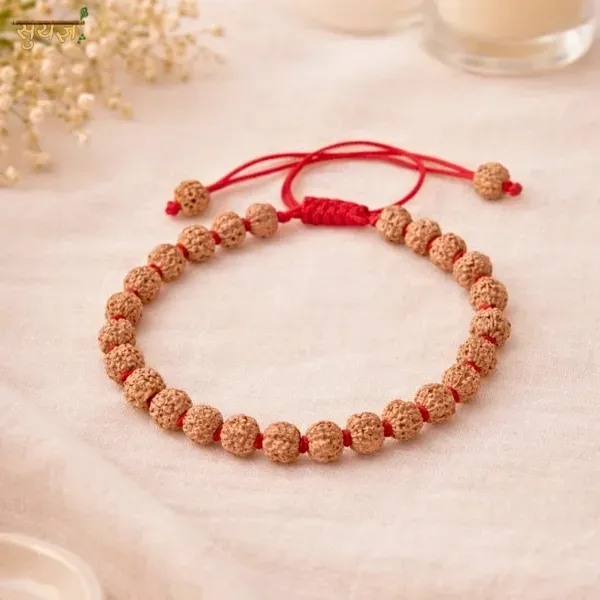
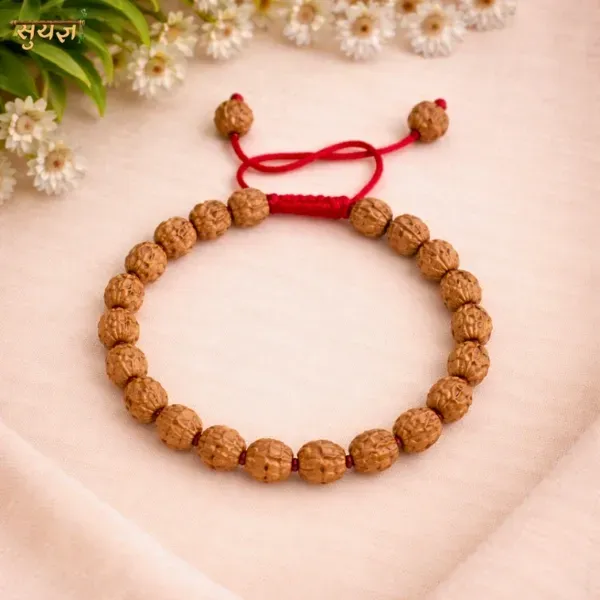
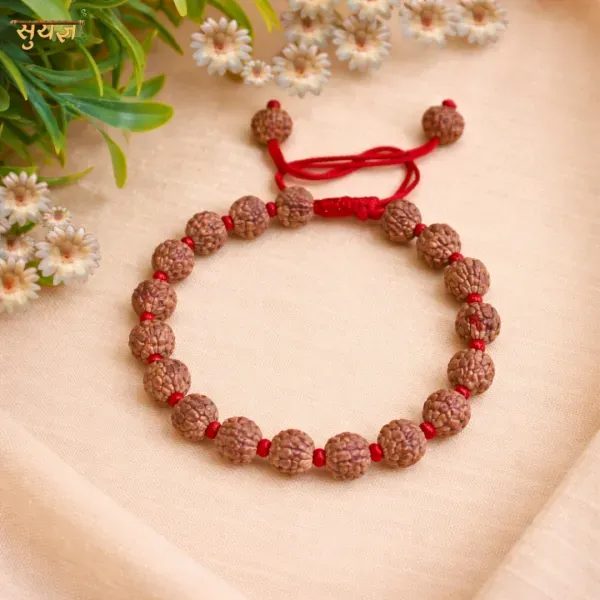
There are bracelets that go with things.
And then there is this one.
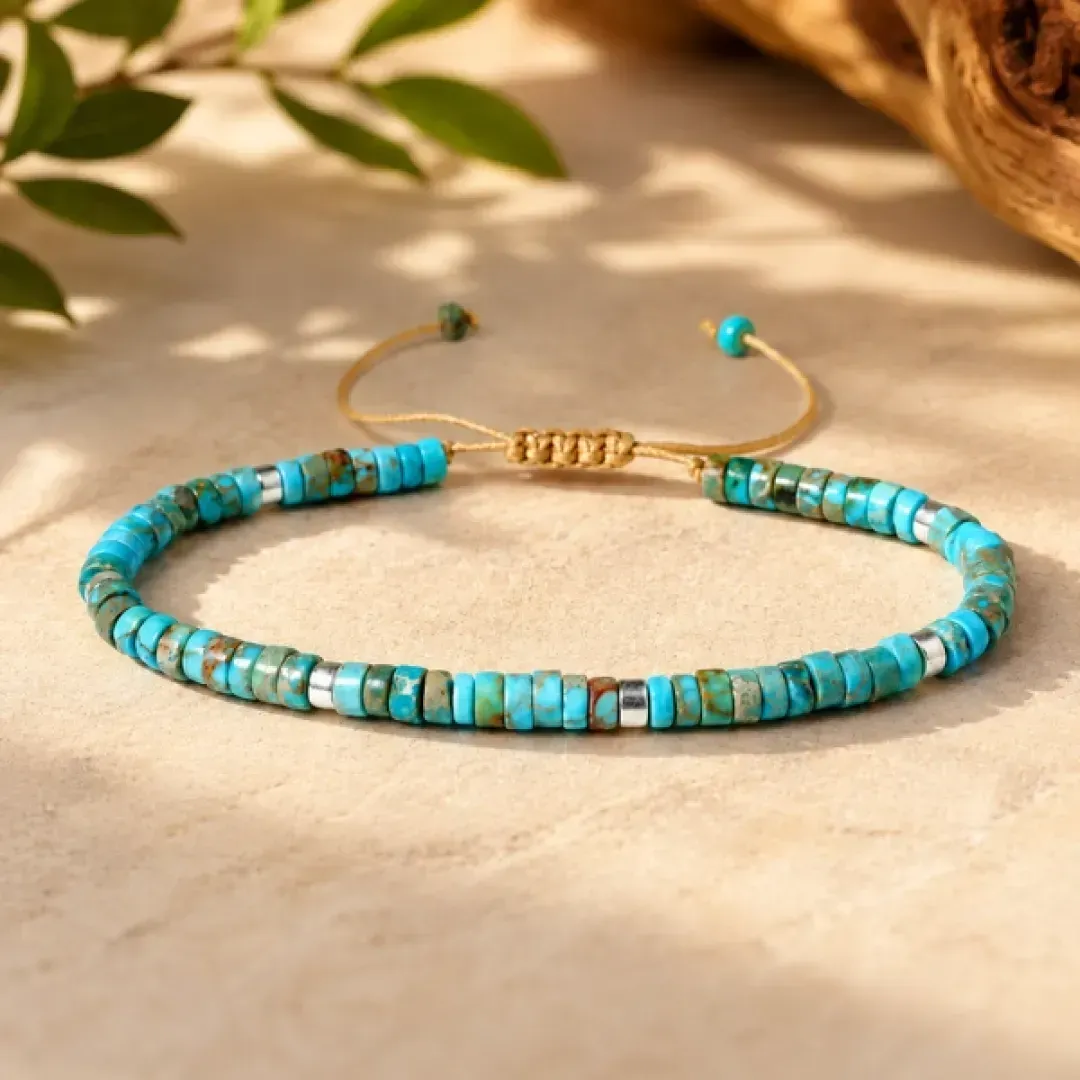
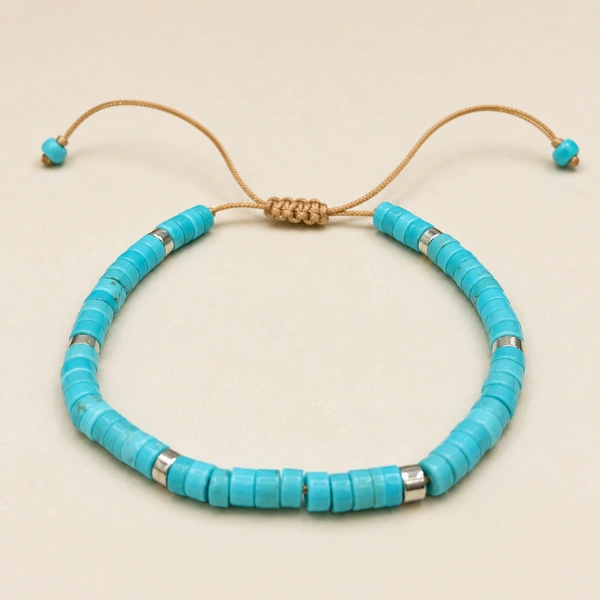
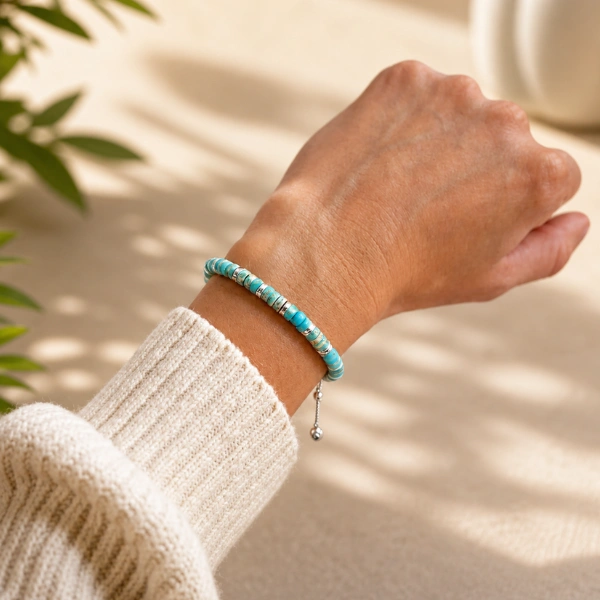
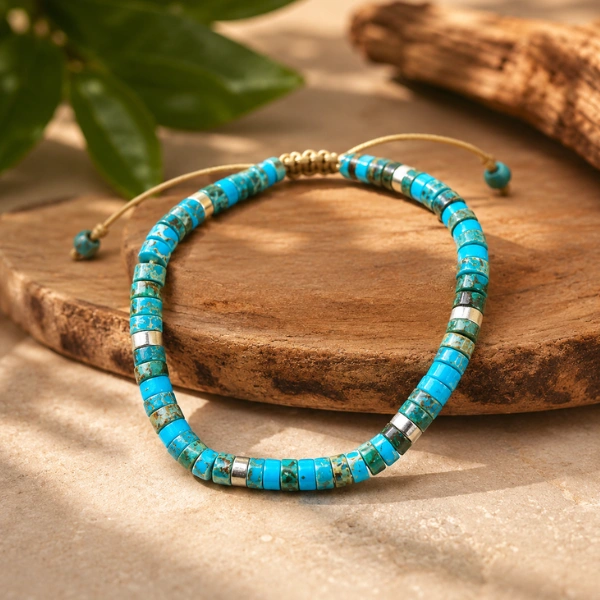
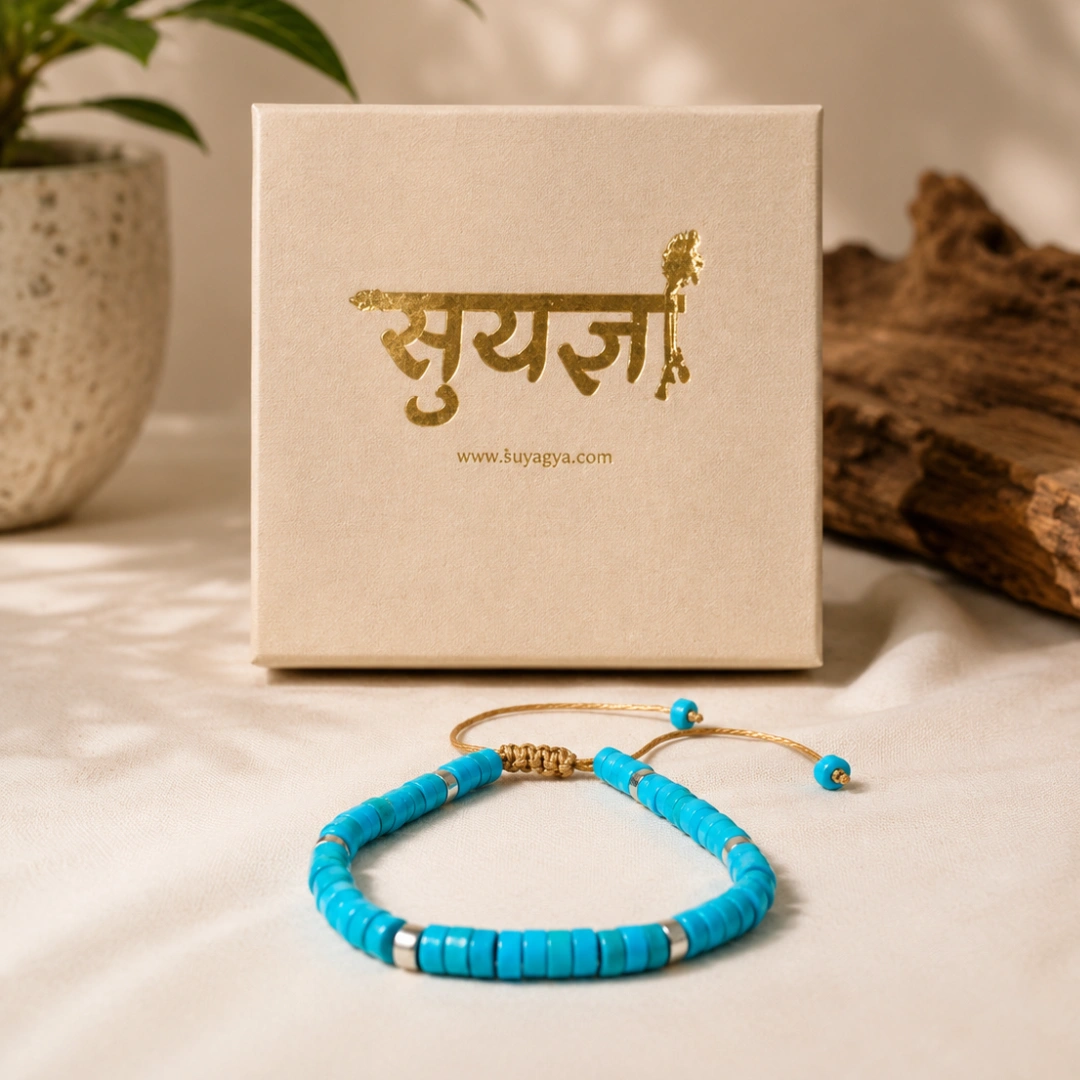
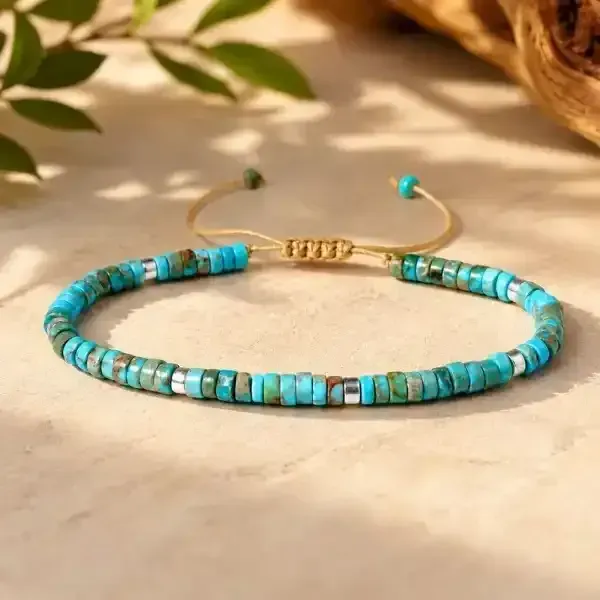
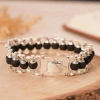
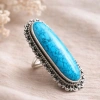
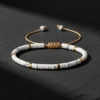
Sky blue turquoise disc beads — that specific shade of blue that exists somewhere between the sky at 11am and the sea in the photographs you save and never forget. Silver accent beads breaking the color in three clean intervals. A brown macrame cord that grounds all of it without competing. The sliding knot adjusts to your exact wrist.
Put this on and you do not need anything else on that wrist. You do not need to think about what it goes with. It goes with everything — because that shade of blue has always gone with everything. It just also happens to be one of the most meaningful stones in human history.
The Stone That Every Culture Chose — Independently
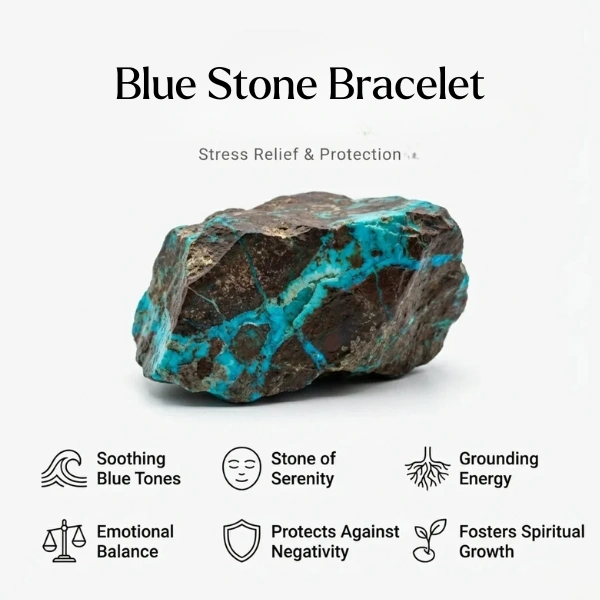
Turquoise is the oldest mined gemstone in human history. The turquoise mines of Sinai were being worked 6,000 years ago — before the Egyptian pyramids, before most of recorded civilisation. And across those 6,000 years and every civilisation that touched it — Egyptian, Persian, Greek, Roman, Chinese, Aztec, Native American, Indian — every one of them arrived at the same conclusion about this stone.
Protection. Communication. Good fortune.
Not because they copied each other. Because they observed it independently and kept arriving at the same place.
Egyptian pharaohs were buried with turquoise. Persian warriors painted it on their armour. The Aztec used it in sacred ceremonial masks. Navajo and Zuni craftspeople built entire artistic traditions around it. In Persian — "Firoz" means victory. The stone was named for what it gave people.
In Vedic tradition, turquoise is Firoza — associated with Jupiter (Guru) and Venus (Shukra). Jupiter for wisdom, clarity of thought and spiritual growth. Venus for beauty, harmony and the quality of daily life. A stone that addresses both the mind and the aesthetic of living — which is exactly what turquoise does.
This is not a trend. This is 6,000 years of consistent human recognition that this specific blue stone does something real.
What It Actually Does — Three Things, Honestly
It protects. Turquoise has been a protection stone across every culture that used it — worn by warriors, travellers, anyone who moved through uncertain environments. In modern understanding, it is described as a stone that strengthens the aura — the energetic field around the body — making you less susceptible to absorbing the stress, negativity and difficult energy of the people and spaces around you. If you spend significant time in high-energy environments — offices, crowds, difficult relationships — this is what turquoise addresses.
It opens communication. Turquoise is the primary stone associated with the Throat Chakra — Vishuddha — in both Vedic and Western crystal traditions. The Throat Chakra governs not just speaking, but the courage to say what you actually mean. Not the polished, diplomatic version. The true version. Turquoise supports exactly that — honest, clear communication without the fear of how it will land.
It calms without sedating. This is the quality that makes turquoise specifically useful for people who carry anxiety. It does not dull. It does not slow you down. It reduces the background noise — the low-grade worry that runs underneath everything — without affecting the sharpness and clarity you need to function at your best. You feel steadier, not slower.
Blue Turquoise vs White Turquoise — Which One Is For You
Both are turquoise. Same mineral family. Many shared qualities. But they work differently — and understanding the difference helps you choose.
White turquoise is inward. It quiets the mind, builds Crown Chakra stillness, works on the thoughts that will not settle. Best for those who overthink, who need mental quiet, who want something minimal and calm.
Blue turquoise is outward. It opens the voice, builds Throat Chakra confidence, works on the words that will not come. Best for those who feel things clearly but struggle to express them, who need the courage to speak, who want something that makes a visual statement while doing internal work.
Same collection. Different energy. Choose the one that matches where you are right now — or wear both, alternating by the demands of your day.
The Design — Why It Works
The silver accent beads are not decorative spacing. They are a design decision.
An unbroken run of turquoise disc beads from end to end would look like a standard bead bracelet. The silver breaks — placed at measured intervals — give the eye a rhythm to follow. The contrast between the cool blue of the stone and the bright silver of the accent beads creates visual movement that makes the bracelet look intentional and designed rather than simply assembled.
The brown macrame cord grounds the palette. Blue and silver are cool tones — the warm brown of the cord adds contrast and prevents the bracelet from reading as too stark or too matchy. It is the detail that makes everything else work.
This is a bracelet that photographs well. That catches light in a way round beads do not. That will get comments from people who know jewellery and people who do not.
Who This Bracelet Is For
For anyone who wants a crystal bracelet that does not look like it came from a spiritual shop — that looks like it came from a boutique that knows what it is doing.
For those who speak for a living — teachers, lawyers, salespeople, anyone whose day depends on communicating clearly and confidently.
For anyone who has something important to say and needs the steadiness to say it.
For the person who wants one bracelet that works on a Monday morning in the office, a Friday evening out, and a Sunday in a kurta.
Pair with the White Turquoise Bracelet from the same collection — same stone family, opposite energies. Mind and voice. Thought and expression.
Explore the complete Bracelet collection at Suyagya for more options.